
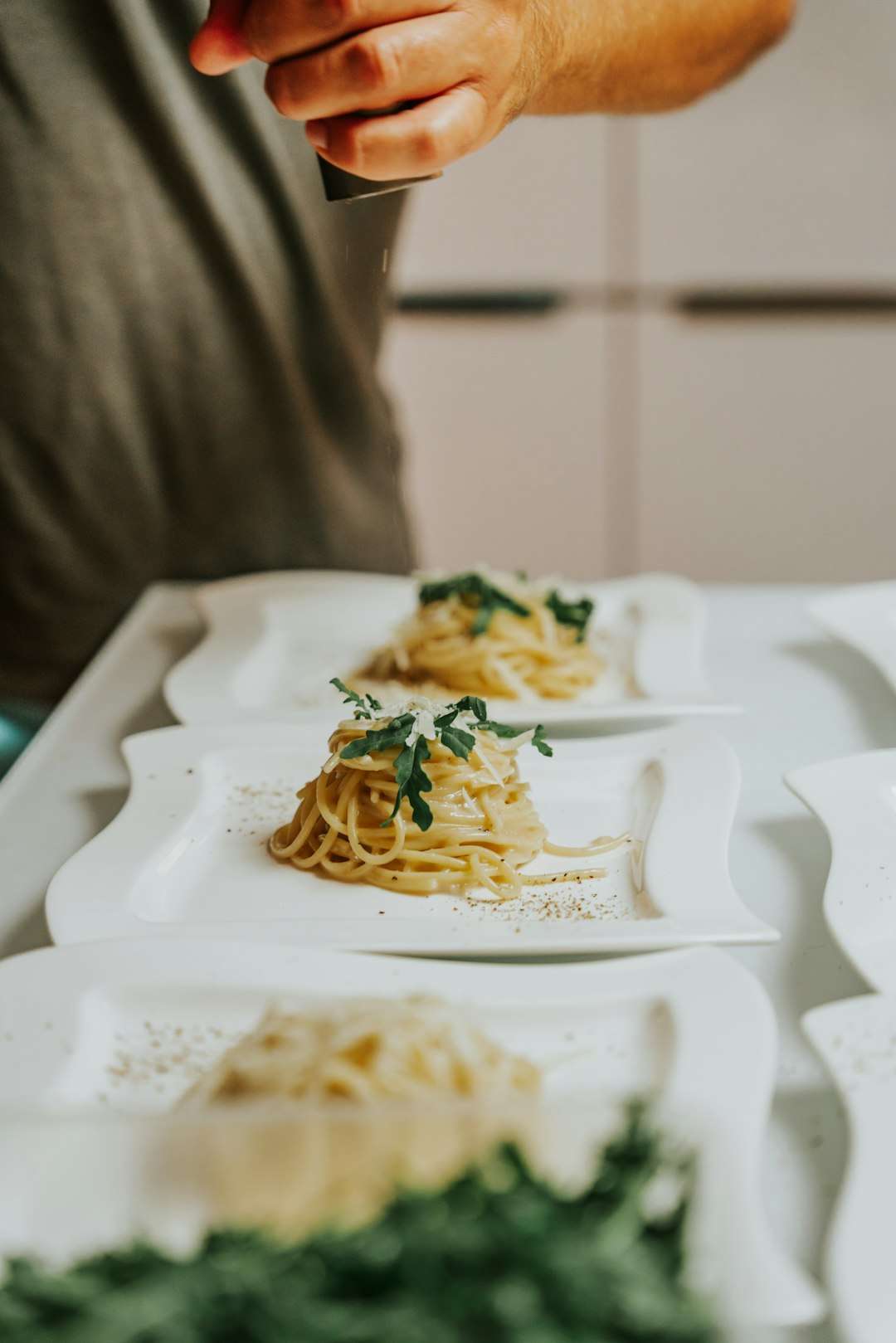
The Pastoral Roots of Rome’s Most Famous Pasta
Long before it graced the menus of Michelin-starred restaurants, Cacio e Pepe was a humble sustenance meal born out of necessity. The origins of this iconic Roman dish trace back centuries to the nomadic shepherds of the Lazio region. During the seasonal migration of herds, known as transhumance, shepherds spent months traveling through the Apennine Mountains. They required shelf-stable, high-energy ingredients that could survive long journeys without spoiling. The solution lay in three simple, lightweight components: dried pasta, aged sheep’s milk cheese, and black peppercorns.
The Trinity of Ingredients and Their Preservation Power
The genius of traditional Roman cuisine lies in its minimalism. Each ingredient in Cacio e Pepe served a vital practical purpose for the traveling herdsmen. Understanding these components reveals why this dish has endured for generations:
- Pecorino Romano: This sharp, salty cheese made from sheep’s milk was highly resistant to spoilage and provided a concentrated source of fat and protein.
- Black Peppercorns: Beyond adding a fiery kick, black pepper generates internal body warmth, which was essential for shepherds sleeping in cold mountain climates.
- Dried Wheat Pasta: Lightweight and highly caloric, dried pasta offered the slow-burning carbohydrates necessary for grueling physical labor.
From the Apennines to the Roman Trattorias
As the pastoral lifestyle transitioned into settled communities, this rustic shepherd’s meal found its way into the bustling taverns and trattorias of Rome. Tavern owners quickly realized that the salty Pecorino Romano and spicy black pepper encouraged patrons to drink more wine, boosting their profits. Today, authentic Cacio e Pepe remains a cornerstone of Roman culinary identity, alongside Carbonara, Gricia, and Amatriciana. Masterfully emulsifying the pasta cooking water with the cheese to create a creamy sauce—without a single drop of cream—remains the ultimate test of a chef’s technique.
Related Content
🍽️ Recommended Recipes to Try:
📖 Further Reading:
- How to Elevate Simple Ingredients
- The History of Beef Wellington: The True Origin of an Iconic Culinary Masterpiece
- The History of Sourdough Bread: How Wild Yeast Shaped Human Civilization
Want to expand your skills? Explore more guides in our
ingredient-guides category!