
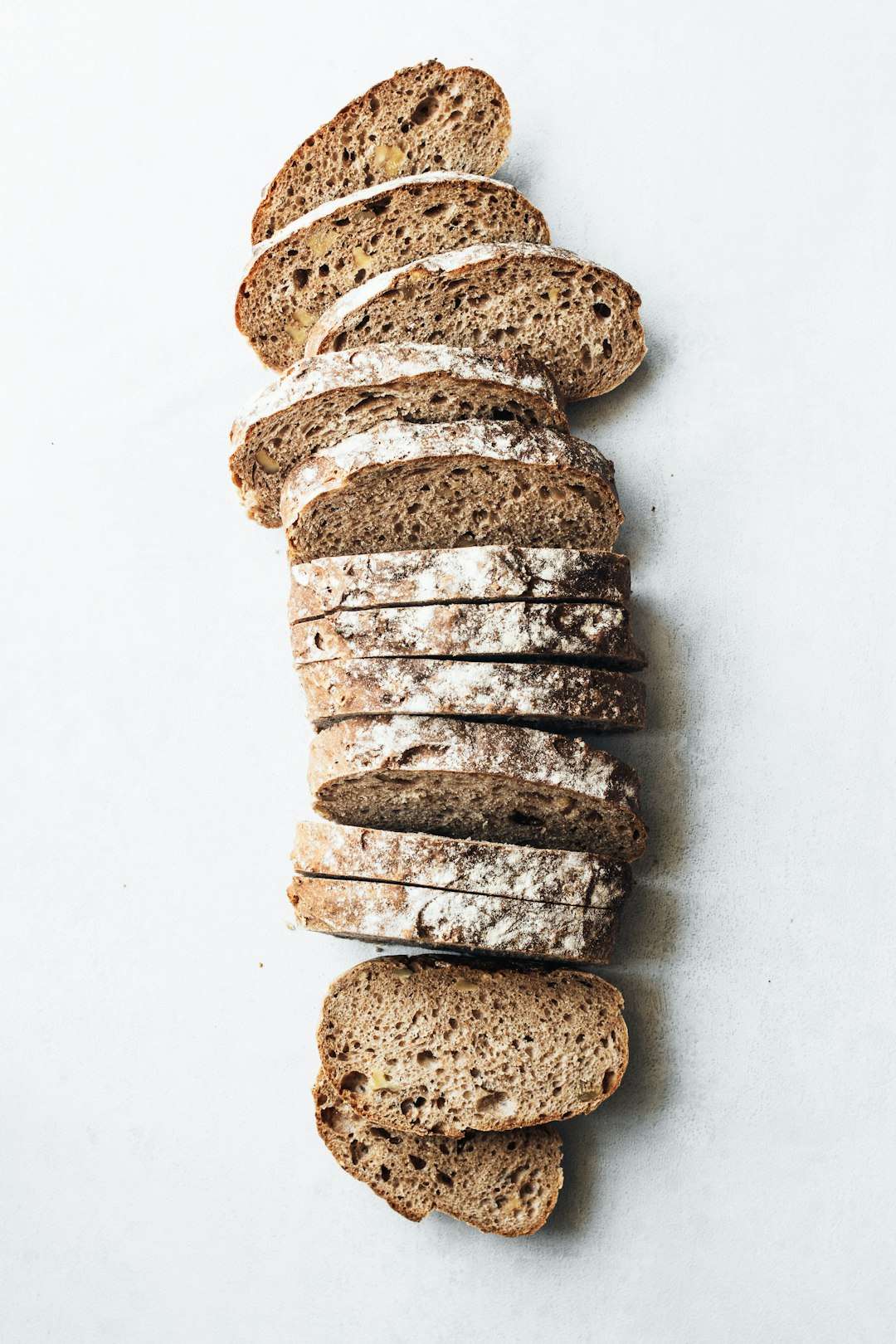
The Ancient Origins of Wild Yeast Fermentation
Sourdough is not merely a modern baking trend; it is the oldest form of leavened bread in human history. Long before commercial yeast was isolated in the nineteenth century, ancient civilizations relied on the symbiotic relationship between wild yeast and lactic acid bacteria to rise their loaves. Archaeological evidence suggests that the ancient Egyptians were the first to master sourdough baking around 1500 BCE, likely discovering the process by accident when a mixture of flour and water was left exposed to the elements, attracting airborne wild yeasts.
How Sourdough Traveled the Globe and Sustained Empires
As trade routes expanded, so did the distribution of sourdough starters. The ancient Greeks adopted the technique from Egypt, refining the milling process and passing their knowledge to the Romans. Throughout Europe, sourdough became the cornerstone of daily nutrition. Key historical milestones include:
- The French Pain au Levain: French bakers perfected the art of long fermentation, creating the iconic, mildly acidic boules that defined French baking heritage.
- The San Francisco Gold Rush: In 1849, miners relied on sourdough starters for survival. The unique local microbe, Lactobacillus sanfranciscensis, gave their bread a distinctively tangy flavor profile that remains famous today.
- The Alaskan Klondike: Prospectors carried starters in pouches close to their bodies to keep the wild yeast warm and active in freezing conditions.
The Industrial Eclipse and Modern Sourdough Revival
The introduction of cheap, fast-acting commercial baker’s yeast during the Industrial Revolution almost eradicated traditional sourdough baking. Mass production prioritized speed over flavor and digestibility. However, the modern culinary world is experiencing a massive sourdough renaissance. Contemporary bakers and food scientists are rediscovering that slow fermentation breaks down gluten and phytic acid, making sourdough far easier to digest and incredibly rich in complex flavors. Today, maintaining a sourdough starter is celebrated as both a science and an artisanal craft.
Related Content
🍽️ Recommended Recipes to Try:
📖 Further Reading:
- The Fascinating History of Pasta Around the World
- The Science Behind Perfect Cooking
- How to Elevate Simple Ingredients
Want to expand your skills? Explore more guides in our
ingredient-guides category!