
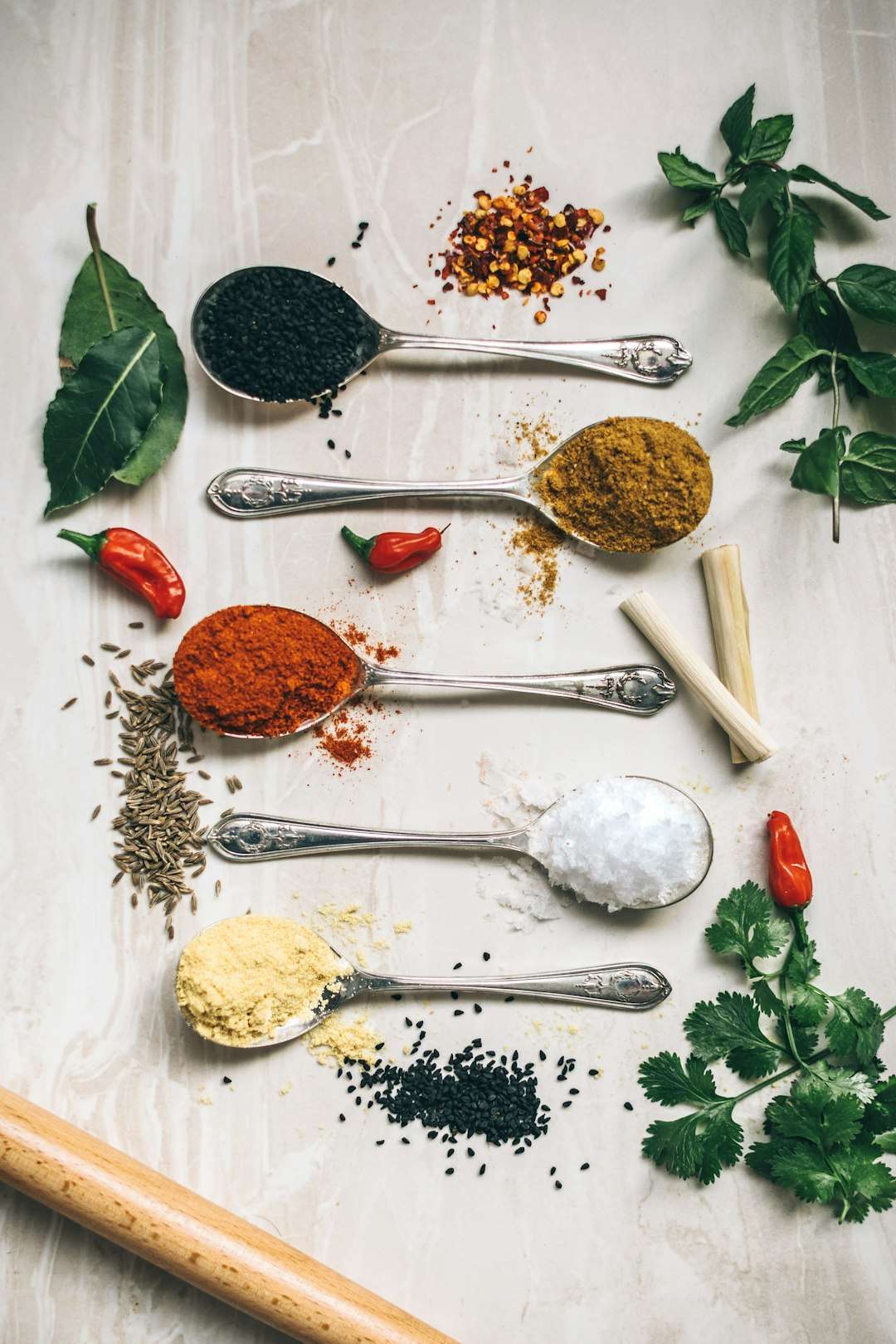
The Fundamentals of Flavor Enhancement
Elevating simple ingredients does not require expensive tools or rare delicacies. Instead, it relies on mastering the basic principles of flavor balance. By understanding how to manipulate salt, fat, acid, and heat, you can transform humble pantry staples like beans, pasta, or potatoes into restaurant-quality dishes. The goal is to highlight the natural essence of the ingredient while adding layers of complexity that keep the palate engaged.
The Power of Acidity and Seasoning
One of the most common mistakes in home cooking is the underutilization of acid. While salt enhances flavor, acid provides brightness and cuts through heaviness. To elevate basic ingredients, consider how a small addition of acidity can change the profile of a dish. Salt should also be applied in layers throughout the cooking process rather than just at the end to ensure deep seasoning.
- Use fresh lemon juice or zest to brighten roasted vegetables and grilled meats.
- Incorporate various vinegars, such as balsamic or sherry vinegar, to add depth to sauces and stews.
- Experiment with fermented ingredients like kimchi or pickles to provide both acid and texture.
Mastering Texture and Finishing Techniques
A dish that consists of only one texture often feels flat. To elevate simple ingredients, focus on creating contrast. A soft, creamy component should ideally be paired with something crunchy or crisp. Additionally, the final touches applied just before serving—often referred to as finishing—can significantly impact the perception of a meal.
- Toasted nuts or seeds add a necessary crunch to salads and grain bowls.
- High-quality extra virgin olive oil drizzled over a finished soup or pasta adds a luxurious mouthfeel.
- Fresh soft herbs like mint, cilantro, or parsley provide a burst of color and a fresh aromatic profile that dried herbs cannot replicate.
- Using high heat to achieve the Maillard reaction ensures a savory crust on simple proteins and vegetables.
Related Content
🍽️ Recommended Recipes to Try:
🗂️ Explore Our Recipe Collections:
📖 Further Reading & Guides:
- The Fascinating History of Pasta Around the World
- The Story Behind Traditional Italian Dishes
- How to Balance Flavors in Any Dish
Want to learn more tips? Browse our top articles in the
Food History category!