The Mysterious Origins of Beef Wellington
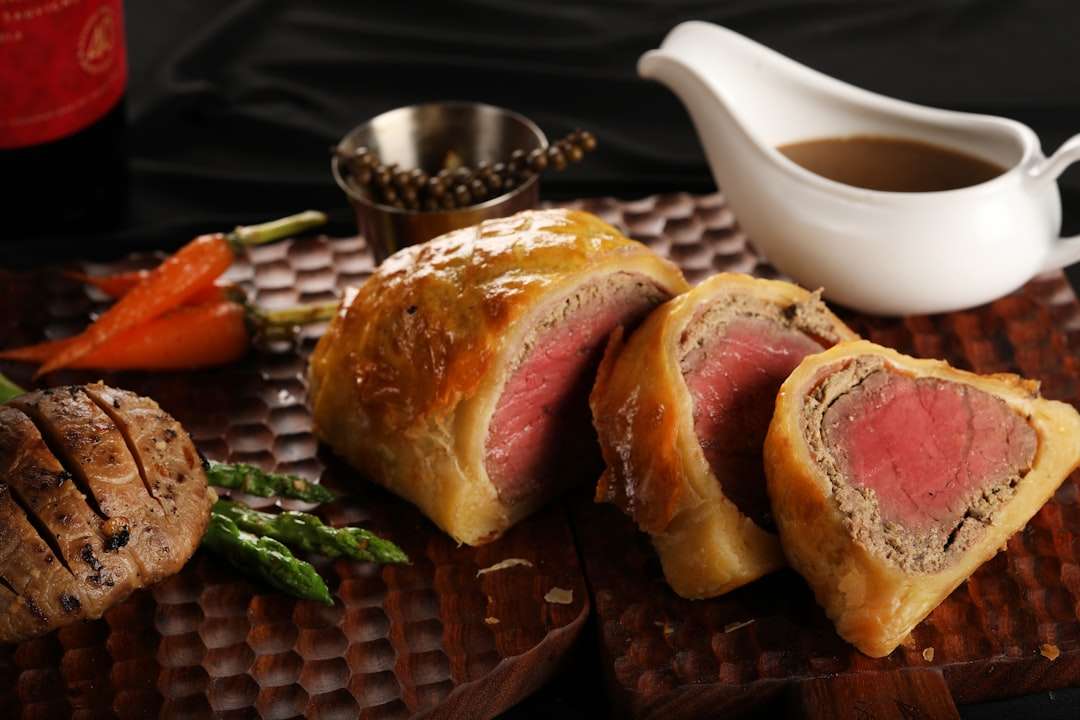
Few dishes in the culinary canon carry the prestige and dramatic visual appeal of Beef Wellington. Traditionally consisting of a tender beef tenderloin wrapped in rich mushroom duxelles, parma ham, and golden puff pastry, this show-stopping centerpiece has long been synonymous with British luxury. However, the exact history of Beef Wellington remains shrouded in mystery, sparking a fiery culinary debate between historians across the English Channel.
Legend widely attributes the dish to Arthur Wellesley, the first Duke of Wellington, who became a national hero after defeating Napoleon at the Battle of Waterloo in 1815. It is said that the Duke’s personal chef created the dish to satisfy his master’s demanding palate, shaping the pastry to resemble the polished military boots Wellesley famously popularized. Yet, contemporary historical documents fail to offer a definitive 19th-century recipe for the dish under this name, suggesting the connection to the Duke may be more brilliant marketing than historical fact.
The French Connection: Filet de Boeuf en Croute
To understand the true evolution of this masterclass in pastry, one must look to French culinary traditions. Long before the British claimed the dish, French chefs had mastered the art of filet de boeuf en croute (beef fillet in pastry). Enclosing expensive cuts of meat in a flour-and-water crust was originally a practical preservation technique used to retain moisture during roasting before modern refrigeration.
As French gastronomy refined this technique, they elevated the simple dough crust to a delicate puff pastry, often adding a layer of savory pâté or chopped mushrooms to enhance the flavor. Many food historians argue that the British simply rebranded this classic French preparation during the Napoleonic Wars to give it a patriotic, English identity. Key milestones in this culinary evolution include:
- Meat Preservation: The ancient practice of baking meats in hard pastry shells to lock in juices.
- The French Elevation: The transition to delicate, buttery puff pastry and the introduction of rich fillings like foie gras.
- The Patriotic Rebrand: Renaming the French classic to honor the Duke of Wellington during a time of intense Anglo-French rivalry.
From Mid-Century America to Gordon Ramsay
While the origin of Beef Wellington may lie in 19th-century Europe, the dish achieved its modern iconic status in mid-20th-century America. The term ‘Beef Wellington’ first appeared in print in an American cookbook in the 1940s, but it was the legendary Julia Child who cemented its place in pop culture. Featuring the recipe on her television show in the 1960s, she transformed it into the ultimate status symbol for dinner parties.
Today, the dish has experienced a powerful modern renaissance, largely driven by world-renowned chefs like Gordon Ramsay, who made it his signature culinary challenge. Modern iterations demand flawless execution: a perfectly medium-rare center, a moisture barrier of prosciutto to protect the pastry, and a crisp, intricately scored exterior. Whether viewed as an aristocratic British invention or a clever adaptation of French technique, it remains the ultimate test of a chef’s skill.
Related Content
🍽️ Recommended Recipes to Try:
- braised beef root vegetables
- mushroom risotto recipe
- best beef lasagna recipe
- best pulled beef sandwiches
📖 Further Reading:
- How to Cook Meat to Perfection
- The Essential Guide to Mastering the Five French Mother Sauces
- The Science Behind Perfect Cooking
Want to expand your skills? Explore more guides in our
Cooking Tips category!