The Humble Beginnings of a Global Culinary Icon
Before it conquered the global culinary landscape, Neapolitan pizza was the humble food of the working poor in Naples, Italy. During the 18th and early 19th centuries, this coastal city was teeming with outdoor laborers who required cheap, easy-to-consume meals. Street vendors stepped in to fill this need, selling flatbreads topped with lard, salt, garlic, and occasionally cheese or small fish. These early iterations were far from the gourmet pies we celebrate today, but they laid the foundation for a global phenomenon.
The Royal Blessing and the Birth of Margherita
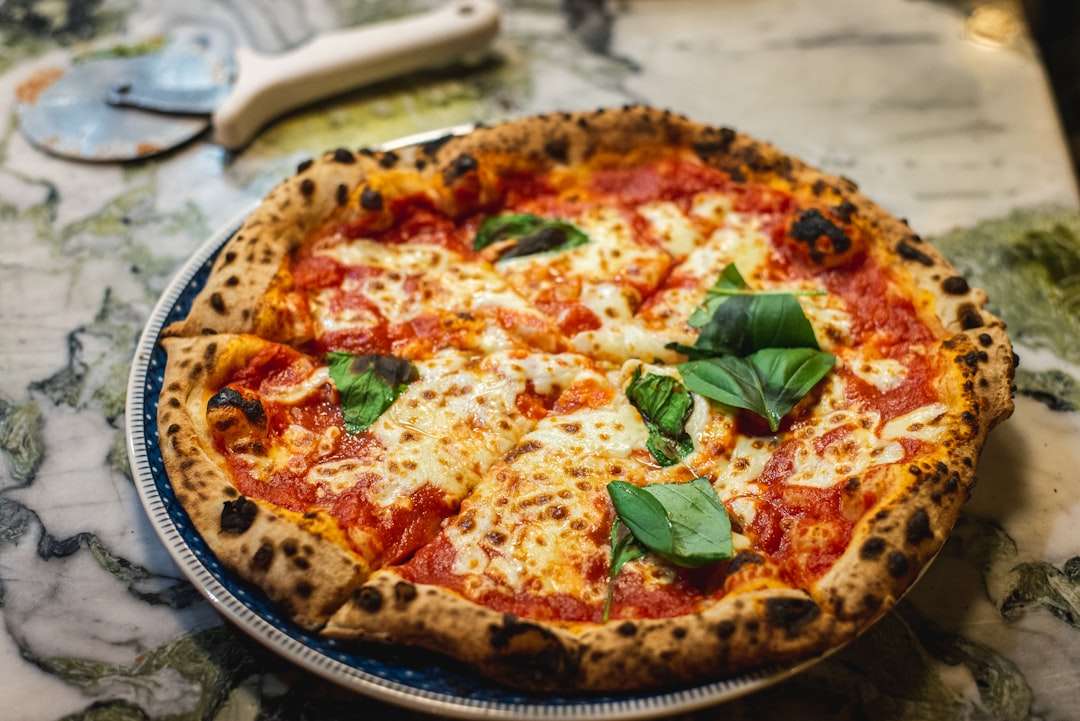
The turning point for the dish came in 1889, during a royal visit by King Umberto I and Queen Margherita of Savoy. Seeking to win over the local populace, the royal couple requested to sample the local specialty. Renowned pizzaiolo Raffaele Esposito of Pizzeria Brandi created three distinct pies for the Queen. The one she favored most featured San Marzano tomatoes, fresh mozzarella di bufala, and vibrant green basil—symbolizing the red, white, and green of the Italian flag. This creation was promptly named Pizza Margherita in her honor, elevating the humble street food to royal status.
Preserving the Authenticity of True Neapolitan Pizza
In the modern era, the integrity of this historic dish is fiercely protected. The Associazione Verace Pizza Napoletana (AVPN) enforces strict guidelines to ensure that any establishment claiming to serve authentic Neapolitan pizza adheres to traditional methods. To meet these rigorous standards, bakers must use specific ingredients and techniques:
- Use of highly refined Type 00 flour for the dough
- Hand-stretched dough without the aid of a rolling pin
- A wood-fired oven heated to at least 900 degrees Fahrenheit
- A baking time of no more than 60 to 90 seconds
By understanding the rich history and meticulous craft behind this iconic dish, we can truly appreciate why the art of the Neapolitan pizzaiolo is recognized as a UNESCO Intangible Cultural Heritage.
Related Content
🍽️ Recommended Recipes to Try:
📖 Further Reading:
- The Origins of Cacio e Pepe: How a Roman Shepherd’s Meal Became a Culinary Icon
- The History of Sourdough Bread: How Wild Yeast Shaped Human Civilization
- The History of Beef Wellington: The True Origin of an Iconic Culinary Masterpiece
Want to expand your skills? Explore more guides in our
ingredient-guides category!