The Philosophy of Culinary Reinvention
Transforming leftovers into entirely new culinary experiences is not merely a strategy for reducing waste; it is a fundamental pillar of creative cooking. When we view remnants of a previous meal as base ingredients rather than discarded scraps, we open a door to efficiency and flavor innovation that defines the professional kitchen. The secret lies in decoupling the ingredient from its original context and reimagining its texture and function in a fresh, vibrant dish.
By treating yesterday’s roast chicken, grilled vegetables, or surplus grains as a ‘mise en place’ for today, you minimize prep time while maximizing depth of flavor. This approach relies on understanding how cooking techniques like sautéing, blending, or crisping can alter the profile of an ingredient. It is a transition from routine cooking to masterful kitchen management, ensuring that every component of a meal is fully utilized.
Mastering Texture and Moisture Restoration
One of the most common pitfalls when repurposing food is a failure to restore proper moisture. When food cools, starches crystallize and proteins can toughen, necessitating techniques that reintroduce hydration. Whether it is adding a splash of stock to dry proteins or incorporating a creamy sauce into pasta, restoring the mouthfeel is essential to making a ‘new’ meal feel freshly prepared rather than reheated.
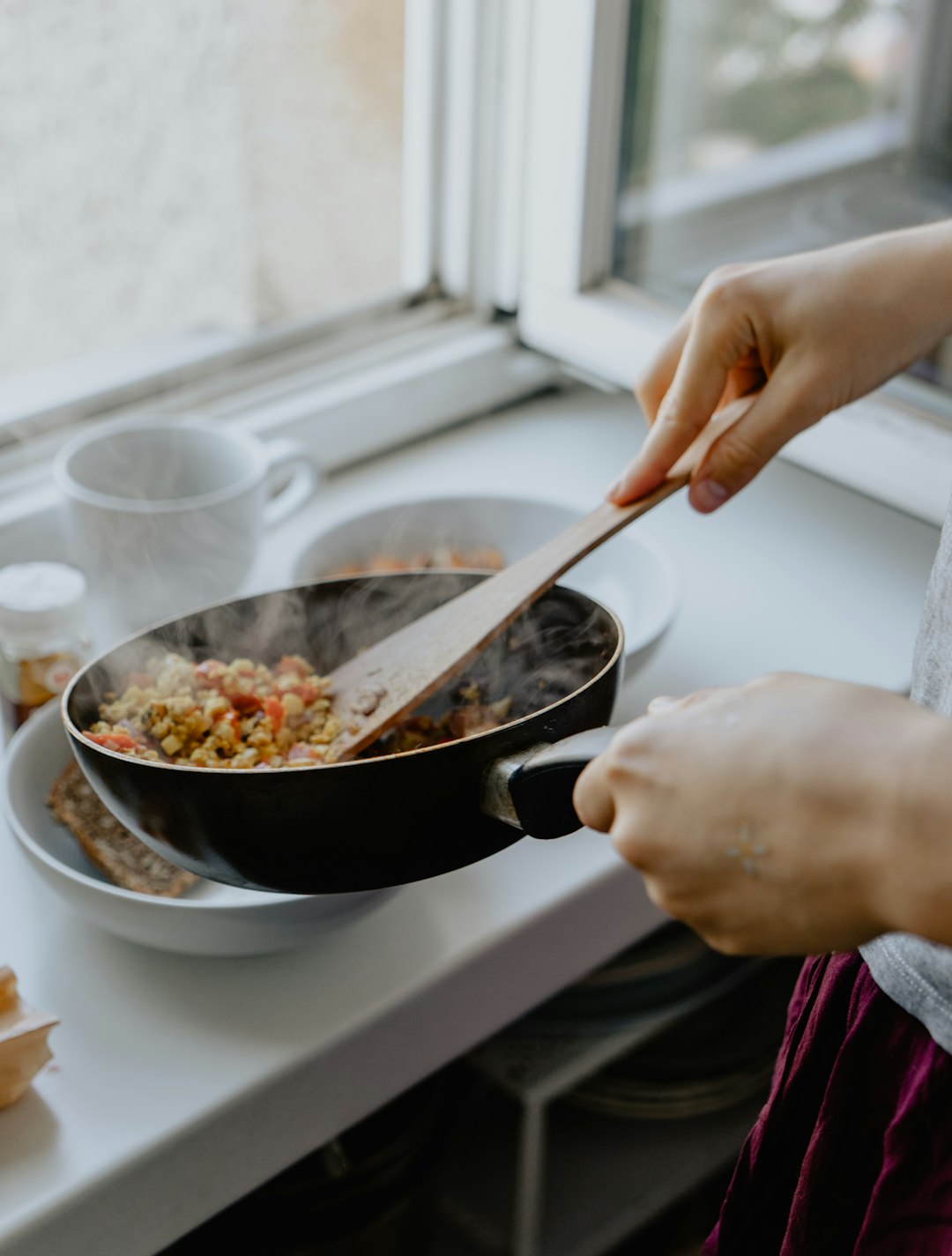
Consider the difference between a soggy leftover stir-fry and one that has been transformed into a crispy fritter or a rich filling for savory crepes. By applying heat differently—perhaps searing in a cast-iron skillet instead of microwaving—you can achieve a contrast in textures that tricks the palate into perceiving the dish as a brand-new creation. Always prioritize high-heat finishing to refresh the exterior of your ingredients.
The Art of Flavor Transformation
To ensure your leftover-based meal feels truly distinct, you must pivot the flavor profile. If a protein was originally prepared with a simple salt-and-pepper seasoning, it serves as a blank canvas for more complex flavor profiles like aromatic curries, zesty citrus glazes, or smoky BBQ sauces. By shifting the aromatic base—perhaps by introducing fresh herbs, garlic, or acidic components—you fundamentally disconnect the meal from its original iteration.
- Use fresh acid like lemon juice or lime to brighten muted leftover flavors.
- Incorporate fresh herbs such as cilantro, parsley, or basil to add a ‘just-cooked’ olfactory experience.
- Experiment with diverse spice blends like garam masala, harissa, or smoked paprika to provide a completely new flavor trajectory.
Grain Management for Global Cuisines
Surplus grains like rice, quinoa, and farro are perhaps the most versatile components in any kitchen. Rather than serving them as a simple side, consider how they function as the structural base for dishes spanning from Mediterranean bowls to Asian-inspired fried rice. The key is in the preparation method; cold, day-old rice is actually superior for frying because its lower moisture content prevents the final dish from becoming mushy.
Beyond frying, grains can be bound with eggs and herbs to create hearty patties, or used as a thickening agent in vegetable-forward soups. By changing the starch into a vehicle for other ingredients, you effectively eliminate the monotony of repeat meals. This is the hallmark of an organized cook who understands how to build a dynamic menu around existing pantry and refrigerator staples.
Strategic Planning for Endless Repurposing
True proficiency in turning leftovers into new meals starts long before the meal is consumed. By planning your initial menu with ‘modular’ components, you create a system where proteins and bases are easily swapped into secondary dishes. For instance, roasting a large tray of vegetables with neutral seasoning allows you to use them in a frittata on Monday, a hearty salad on Tuesday, and a blended soup on Wednesday.
This methodology shifts the perspective from ‘having leftovers’ to ‘preparing for future meals.’ When you deliberately cook for transformation, you reduce your daily labor significantly while maintaining the premium quality of your home-cooked food. Developing this workflow will turn the tedious task of cooking into a streamlined process that prioritizes both sustainability and high-quality dining.
Related Content
🍽️ Recommended Recipes to Try:
- melty rice arancini
- quick chicken cheese quesadillas game day
- chicken caesar wrap
- chicken pesto mozzarella panini
📖 Further Reading:
- The Best Ways to Store Ingredients for Maximum Freshness
- Simple Cooking Methods That Always Work
- Healthy Substitutions That Actually Work in Cooking
Want to expand your skills? Explore more guides in our
ingredient-guides category!