The Art and Science of Searing
Searing is a fundamental technique that transforms the surface of food through the Maillard reaction. This chemical process occurs when amino acids and reducing sugars react under high heat, creating hundreds of flavor compounds and a desirable deep brown crust. Whether you are preparing a thick ribeye steak, a filet of salmon, or a block of firm tofu, mastering the sear is the quickest path to restaurant-quality flavor at home.
To achieve a perfect sear every time, dry the surface of your ingredient thoroughly with paper towels, as moisture creates steam and prevents browning. Heat a heavy skillet, preferably cast iron or stainless steel, over high heat until it is smoking hot before adding a high-smoke-point oil. Place the ingredient in the pan and leave it undisturbed for several minutes to allow the crust to form naturally before flipping.
The Gentle Power of Poaching
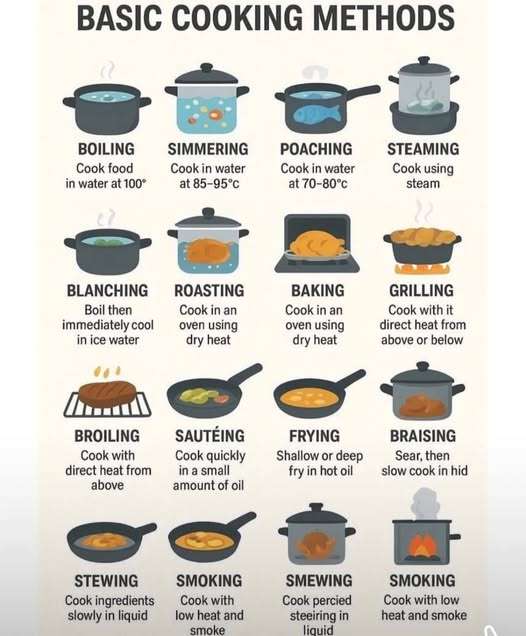
Poaching is a moist-heat cooking method that involves submerging food in a liquid kept at a constant, low temperature, typically between 140 and 180 degrees Fahrenheit. This delicate approach is ideal for fragile foods that might otherwise break apart, dry out, or become tough when exposed to high heat. Ingredients such as eggs, fish fillets, skinless chicken breasts, and stone fruits benefit immensely from this gentle environment.
The secret to successful poaching lies in the choice of poaching liquid and temperature control. Instead of plain water, utilize flavorful liquids such as court bouillon, dry white wine, coconut milk, or aromatic stocks infused with herbs and spices. Keeping the liquid at a bare simmer—characterized by tiny, occasional bubbles rather than a rolling boil—ensures the protein fibers remain tender and juicy throughout the cooking process.
Roasting for Concentrated Sweetness and Texture
Roasting relies on dry, indirect heat to cook food evenly in an enclosed space, such as an oven. This method is highly effective because it coaxes out the natural sugars in vegetables and meats, leading to caramelization and a complex, sweet flavor profile. From earthy root vegetables like carrots and parsnips to whole chickens, roasting is a hands-off technique that delivers highly satisfying results with minimal active preparation.
For optimal results, ensure your oven is fully preheated to high temperatures, usually between 400 and 425 degrees Fahrenheit, which encourages rapid surface browning while keeping the interior moist. Cut vegetables into uniform sizes to guarantee even cooking, toss them thoroughly in a light coating of oil, and spread them in a single layer on a sheet pan to prevent overcrowding, which can lead to steaming instead of roasting.
Simmering for Deep Flavor Development
Simmering is a foundational cooking technique where food is cooked in hot liquid kept just below the boiling point, specifically around 185 to 205 degrees Fahrenheit. Unlike rapid boiling, which can agitate food and break down its structure, simmering gently coaxes out flavors over an extended period. This method is essential for preparing rich broths, velvety sauces, hearty stews, and perfectly cooked grains or legumes.
Time and temperature regulation are the cornerstones of successful simmering. By maintaining a gentle, steady heat where small bubbles rise slowly to the surface, you allow tough collagen in meats to melt into gelatin, resulting in melt-in-your-mouth tenderness. Additionally, the gradual reduction of the liquid concentrates the flavors, creating a harmonious and cohesive dish.
The Precision of Steaming
Steaming is a clean, efficient cooking method that utilizes the vaporized moisture of boiling water to cook food. Because the food does not come into direct contact with the cooking liquid, it retains its natural colors, vitamins, minerals, and structural integrity. This makes steaming one of the healthiest and most reliable ways to prepare delicate vegetables, seafood, dumplings, and grains.
To execute this method flawlessly, ensure the water in the pot is boiling vigorously before placing the steamer basket over it, and seal the pot tightly with a lid to trap the steam. Common ingredients that excel with this method include:
- Leafy Greens: Spinach and bok choy cook in seconds while retaining nutrients.
- Seafood: Delicate fish fillets and shellfish remain tender without drying out.
- Grains and Dumplings: Steam ensures even heat distribution without waterlogging.
Be mindful of cooking times, as vegetables like broccoli and asparagus can go from vibrant green to overcooked in a matter of seconds.
Related Content
🍽️ Recommended Recipes to Try:
- how to cook meat to perfection without stress
- how to prepare ingredients in advance like a pro chef
- german schnitzel potato salad
📖 Further Reading:
- How to Cook Meat to Perfection Without Stress
- How to Prepare Ingredients in Advance Like a Pro Chef
- How to Build a Weekly Cooking Routine That Saves Time
Want to expand your skills? Explore more guides in our
healthy-cooking category!