Understanding the Principles of Proper Ingredient Preservation
Maximizing the lifespan of your culinary ingredients begins with understanding the core environmental factors that trigger spoilage. The trifecta of preservation—temperature, light, and humidity—dictates how quickly enzymes break down plant matter and how effectively bacteria can colonize protein sources. By controlling these variables, you not only reduce food waste but also ensure that every dish you prepare retains its vibrant flavor profile and nutritional integrity.
A well-organized pantry and refrigerator setup acts as the foundation for high-quality home cooking. When ingredients are stored in their optimal conditions, they maintain their structural integrity and peak chemical composition, which is essential for achieving professional results in your home kitchen. Investing time in proper storage techniques is truly the first step in successful ingredient management.
Mastering Produce Storage and Humidity Control
Fresh produce requires a nuanced approach to humidity, as not all fruits and vegetables thrive in the same environment. Leafy greens, for instance, are highly sensitive to ethylene gas and require high-humidity environments, often found in the crisper drawer, to prevent wilting. Conversely, produce like onions, garlic, and potatoes should be stored in cool, dark, and well-ventilated areas to prevent rotting or premature sprouting.
To extend the life of your seasonal harvest, it is helpful to understand the relationship between ethylene producers and sensitive items. Apples, bananas, and tomatoes emit gas that can accelerate the ripening of other vegetables. Keeping these items separated prevents the cross-contamination of ripening agents, allowing your inventory to remain fresh for days longer than it would in a mixed pile.
The Science of Pantry Staples and Dry Goods
Dry goods such as grains, flours, spices, and dried legumes are often overlooked in the pursuit of freshness because they appear shelf-stable. However, exposure to oxygen and light can lead to oxidation, which degrades essential oils in spices and causes fats in whole grains to go rancid. Storing these items in airtight, opaque containers is the most effective way to protect them from environmental degradation.
When organizing your pantry, consider the importance of temperature stability. Avoid placing storage areas near heat sources like the oven, dishwasher, or direct sunlight. Consistent, cool temperatures prevent the expansion and contraction of containers, which can break seals and let moisture seep in, ultimately leading to clumping or mold growth in sensitive dry ingredients.
Managing Proteins and Dairy for Safety and Longevity
Proteins and dairy are the most delicate components in any kitchen inventory, necessitating precise temperature regulation to remain safe and flavorful. The refrigerator should be maintained at or below 40 degrees Fahrenheit to inhibit the growth of common spoilage bacteria. It is best practice to store these items on the lower shelves, where temperatures are generally most consistent and cooler compared to the refrigerator door.
For optimal freshness, wrap meats tightly in moisture-proof material or vacuum-sealed packaging to prevent freezer burn and cross-contamination. Dairy products, specifically milk and cream, should always be kept in their original containers and placed toward the back of the fridge. Frequent temperature fluctuations caused by opening and closing the door can significantly shorten the shelf life of these delicate ingredients.
Advanced Preservation Techniques and Batch Organization
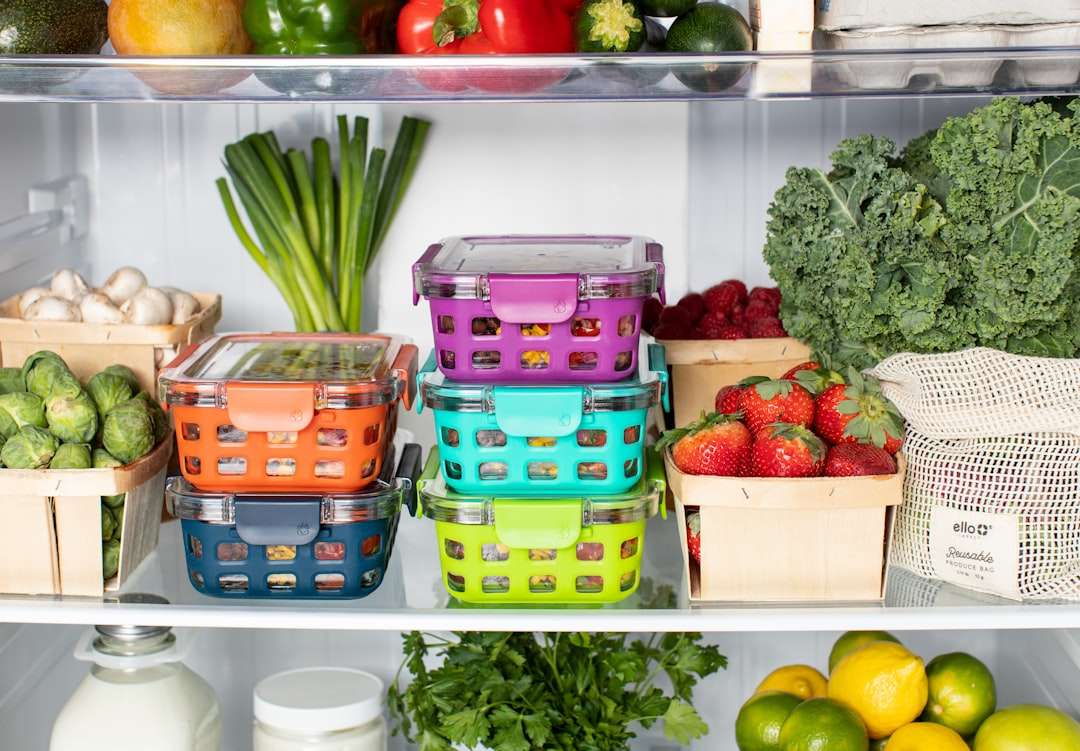
Beyond standard storage, incorporating organizational habits like the First-In, First-Out (FIFO) method ensures that older ingredients are prioritized. By labeling containers with purchase dates and using clear, modular systems, you create a visual workflow that prevents items from being lost in the back of cabinets. This systemic approach is a hallmark of professional kitchens, ensuring that every ingredient is used while at its peak quality.
For those looking to take preservation to the next level, small-scale batch prep can be a game changer. Pre-portioning bulk ingredients into smaller, single-use containers limits the amount of air exposure each batch receives. This strategy effectively minimizes the impact of opening and closing containers, ensuring that the remaining stock stays just as fresh as the day you first opened the original packaging.
Related Content
🍽️ Recommended Recipes to Try:
- beef and broccoli meal prep
- how to prepare ingredients in advance like a pro chef
- pesto chicken and veggies best healthy weeknight meal
- vegetable paella
📖 Further Reading:
- How to Prepare Ingredients in Advance Like a Pro Chef
- How to Build a Weekly Cooking Routine That Saves Time
- How to Choose the Best Tomatoes for Cooking
Want to expand your skills? Explore more guides in our
Cooking Tips category!