Understanding the Recipe Before You Begin
Many home cooks fall into the trap of starting a recipe while simultaneously reading the instructions for the first time. To follow a recipe without mistakes, the most critical step is the initial read-through. You must visualize the entire cooking process from the preparation phase to the final plating. By identifying potential pitfalls, such as overlapping tasks or required resting periods, you can mentally organize your workflow before a single ingredient hits the counter.
Furthermore, reading the full document helps you recognize whether you possess the necessary kitchen tools for the job. A recipe might call for a specific size of pan or a precise kitchen scale that you need to locate. Taking five minutes to analyze the scope of the instructions ensures that you are not caught off guard by a time-sensitive step halfway through the process.
The Importance of Proper Mise en Place
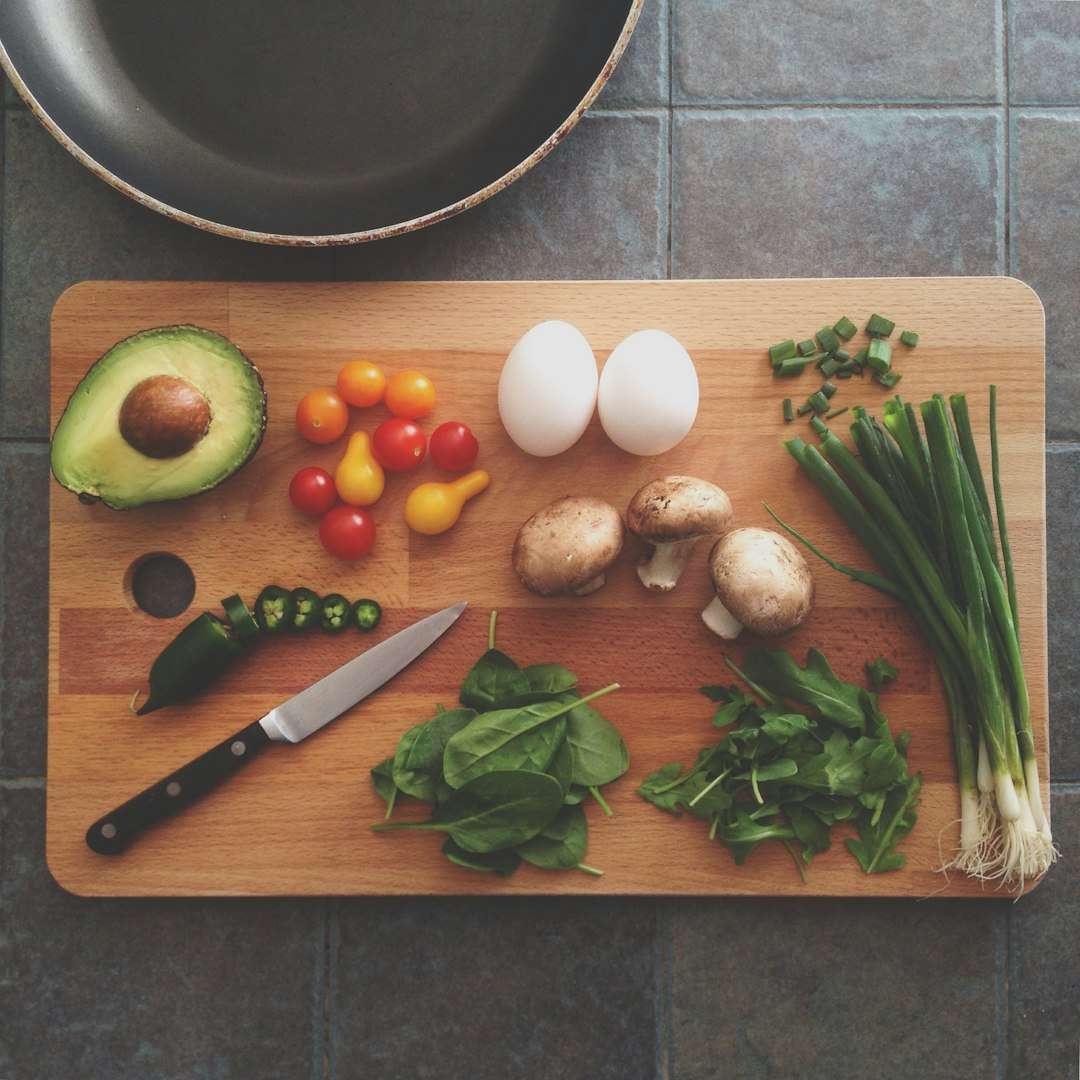
The culinary term mise en place, which translates to everything in its place, is the secret weapon of professional chefs. To avoid errors, measure out every ingredient and chop your vegetables before you turn on the stove. When your workspace is organized and all components are ready, you eliminate the frantic rush that often leads to burnt sauces or missing ingredients. This methodical preparation allows you to focus entirely on the cooking techniques rather than searching for a measuring spoon.
Arranging your measured ingredients in the order they will be added to the dish acts as a physical checklist. If you place your spices in small bowls or line up your produce on a tray, you provide yourself with a visual cue for every stage of the recipe. This strategy effectively removes the cognitive load of multitasking, allowing you to follow the author’s intended sequence with precision and ease.
Mastering Ingredient Substitution and Measurement
Cooking is a blend of art and chemistry, and mistakes often occur when a cook decides to deviate from the written instructions without understanding the underlying ratios. If you are a beginner, it is vital to follow the measurements exactly as stated. Use liquid measuring cups for wet ingredients and flat-topped measuring cups for dry goods, ensuring you level off the top to maintain the structural integrity of your dish, especially in baking.
When you feel confident enough to substitute ingredients, ensure you understand the role each element plays in the recipe. For instance, swapping a high-fat butter for a low-fat margarine can drastically change the texture of a cake, while substituting a fresh herb for a dried one changes the flavor intensity. By learning the purpose of each component, you can avoid common errors that arise from assuming that ingredients are inherently interchangeable.
Timing and Temperature Control
Temperature management is perhaps the most significant challenge in following a recipe correctly. Many novices rely solely on the clock, assuming that if a recipe says ten minutes, the food is ready at the ten-minute mark. However, stove power and heat retention vary wildly between kitchens. Instead of watching the clock, look for physical cues described in the text, such as the color of a sear, the viscosity of a sauce, or the internal temperature of a protein.
Using a digital probe thermometer is the single best way to follow meat recipes without mistakes. Relying on visual guesses often leads to overcooked or undercooked proteins, which can ruin an otherwise perfectly seasoned meal. By trusting your thermometer and adjusting your burner settings based on the performance of your own equipment, you align your kitchen results with the standards set by the recipe author.
Troubleshooting Common Cooking Mistakes
Despite your best efforts, mistakes can happen. The key to successful cooking is knowing how to recover when a step goes wrong. If you find that you have accidentally added too much salt, adding a starchy component like diced potatoes or a splash of acidity like lemon juice can often balance the profile. Learning these minor rescue tactics allows you to remain calm under pressure and salvage a dish that might otherwise be destined for the trash.
Ultimately, the ability to follow a recipe successfully improves with the habit of documenting your own adjustments. Keep a notepad or use a digital app to record what worked and what did not during your preparation. Over time, this feedback loop helps you refine your skills, ensuring that every subsequent attempt is cleaner, faster, and more delicious than the last.
Related Content
🍽️ Recommended Recipes to Try:
📖 Further Reading:
- Simple Cooking Methods That Always Work
- How to Prepare Ingredients in Advance Like a Pro Chef
- The Best Ways to Store Ingredients for Maximum Freshness
Want to expand your skills? Explore more guides in our
ingredient-guides category!