The Economic Power of Spices in the Ancient World
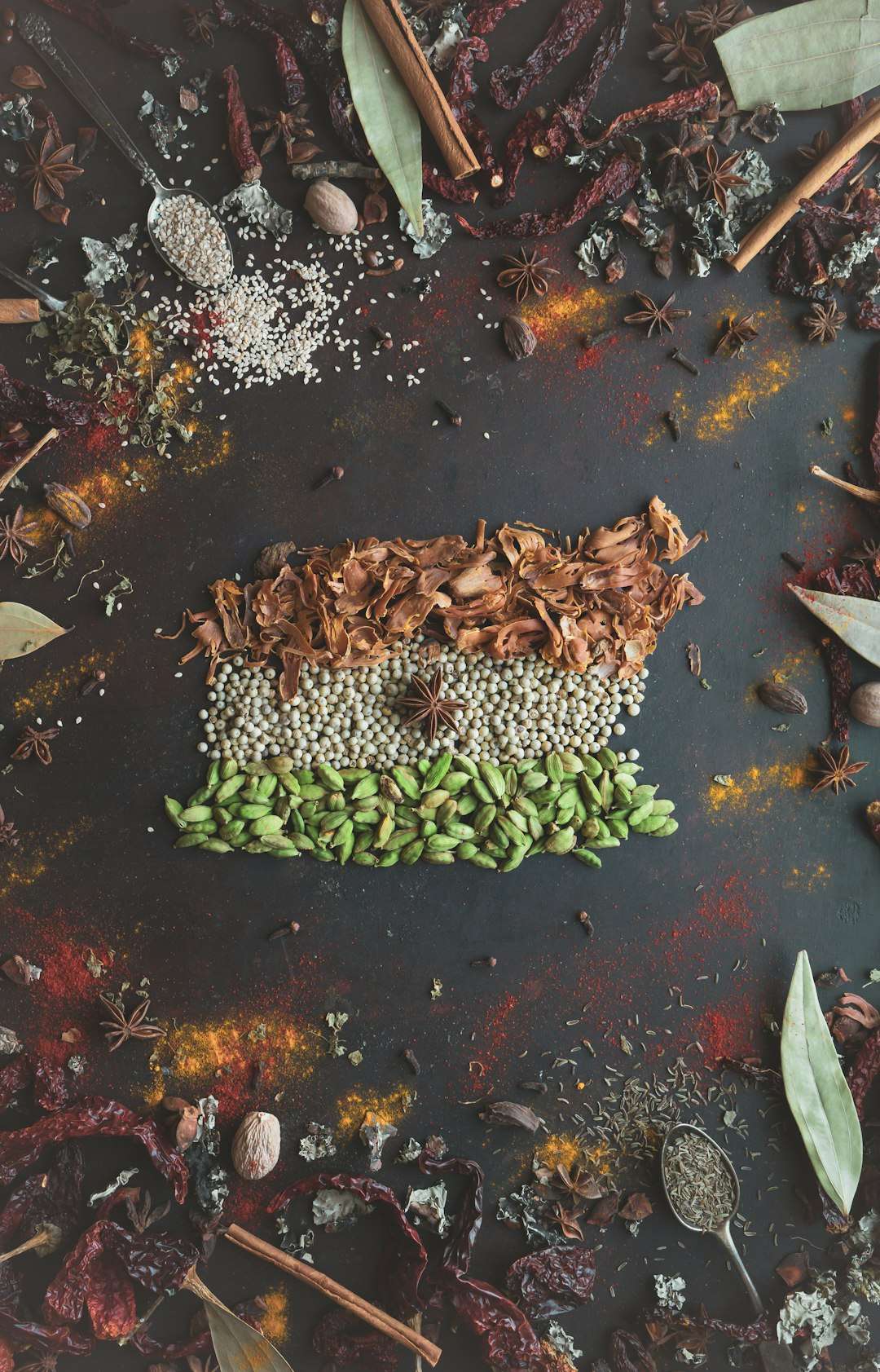
For centuries, spices were far more than simple culinary additives; they were symbols of immense wealth and the primary catalysts for economic dominance. In the ancient world, spices such as black pepper, cinnamon, and ginger were so highly prized that they were frequently used as currency to pay ransoms, taxes, and debts. The control over spice trade routes was synonymous with global power. Initially, Arab traders dominated these land routes, maintaining a strict monopoly by keeping the geographical origins of their goods a secret. This exclusivity drove prices to astronomical levels, eventually prompting European powers to seek their own direct maritime routes to the East.
The Age of Discovery and the Search for New Routes
The European obsession with breaking the spice monopoly led directly to the Age of Discovery. Monarchs funded perilous expeditions to find a sea route to the ‘Spice Islands’ of Indonesia and the coasts of India. This era of maritime exploration resulted in several world-altering events:
- The accidental discovery of the Americas by Christopher Columbus while searching for a westward route to the Indies.
- The successful navigation around the Cape of Good Hope by Vasco da Gama, opening a direct sea link between Europe and Asia.
- The establishment of the first global corporations, such as the Dutch East India Company and the British East India Company, to manage the lucrative trade.
These voyages did not just bring back peppercorns and cloves; they mapped the globe, established colonial empires, and laid the groundwork for modern international law and commerce.
Cultural Exchange and the Foundations of Globalization
The global movement of spices facilitated one of the most significant cultural exchanges in human history. As spices moved across borders, so did ideas, religions, and technologies. The introduction of the chili pepper from the Americas to Asia and Africa, and the spread of black pepper from India to the rest of the world, fundamentally altered regional cuisines. This period established the very foundations of globalization, proving that the pursuit of flavor could redraw the map of the world, shift the balance of geopolitical power, and create the interconnected culinary landscape we enjoy today.
Related Content
🍽️ Recommended Recipes to Try:
- easy teriyaki chicken meal prep
- rigatoni arrabbiata
- crispy air fryer broccoli
- sheet pan honey garlic chicken
🗂️ Explore Our Recipe Collections:
📖 Further Reading & Guides:
- Cooking Techniques Every Beginner Should Master
- Cooking Hacks That Will Change Your Kitchen Routine
- How to Balance Flavors in Any Dish
Want to learn more tips? Browse our top articles in the
beginner-cooking category!