The Early Value and Luxury of Exotic Spices
For centuries, spices were not merely flavor enhancers; they were the gold standard of the ancient and medieval world. From the black pepper of India to the cinnamon of Sri Lanka, these precious commodities commanded prices that fueled empires and defined the wealth of monarchs. Because they were lightweight, non-perishable, and highly coveted, spices became the perfect medium for long-distance commerce that traversed harsh deserts and dangerous seas.
The monopoly held by Arab traders over the spice routes meant that European civilizations were left at the mercy of middlemen. This scarcity created a mystique surrounding their origins, leading to elaborate myths about where these items grew. As the demand for culinary refinement and medicinal applications grew in Europe, the necessity for direct access to the ‘Spice Islands’ of Indonesia became a primary driver for economic ambition.
The Age of Discovery and the Quest for Maritime Routes
The quest to bypass traditional land routes—controlled primarily by the Ottoman Empire—sparked the Age of Discovery. European powers, most notably Portugal and Spain, invested heavily in naval technology and exploration to find a direct maritime passage to the source of cloves, nutmeg, and pepper. This period marked a transition from Mediterranean-focused trade to a truly global economic system.
Vasco da Gama’s 1497 voyage around the Cape of Good Hope was a watershed moment in history. By establishing a sea route to India, the Portuguese effectively broke the long-standing regional monopolies. This shift did not just change how spices reached Western dinner tables; it fundamentally altered the geopolitics of the Indian Ocean, paving the way for colonial expansion and the establishment of fortified trade outposts across Asia.
The Rise and Power of Chartered Trading Companies
By the 17th century, the competition for control over the spice trade gave birth to the world’s first modern corporations, such as the Dutch East India Company (VOC) and the British East India Company. These organizations were granted unprecedented powers by their respective governments, including the ability to wage war, mint currency, and establish colonies, all for the singular purpose of securing spice shipments.
This era turned spices into the primary catalyst for global mercantilism. Control over the production centers, particularly the Banda Islands for nutmeg and mace, resulted in brutal conflicts and the restructuring of agricultural landscapes. The pursuit of these high-value ingredients transformed the relationship between East and West, creating complex supply chains that remain the ancestors of today’s international trade networks.
Economic Impact and the Democratization of Flavor
For much of history, spices were exclusively the domain of the elite, used as status symbols to demonstrate wealth and sophistication. As shipping routes became more reliable and competition among European colonial powers intensified, the sheer volume of spices reaching global markets increased. This eventual increase in supply slowly transitioned spices from extreme luxuries to accessible pantry staples.
The stabilization of the spice market allowed for the democratization of flavor across different socioeconomic tiers. While the early days of trade were defined by protectionist policies and astronomical markups, the eventual integration of these spices into daily home cooking across Europe and the Americas permanently changed the culinary landscape. The legacy of this trade is found today in the fusion of ingredients and the standardized spice racks found in kitchens worldwide.
The Legacy of Spice Trade on Modern Global Logistics
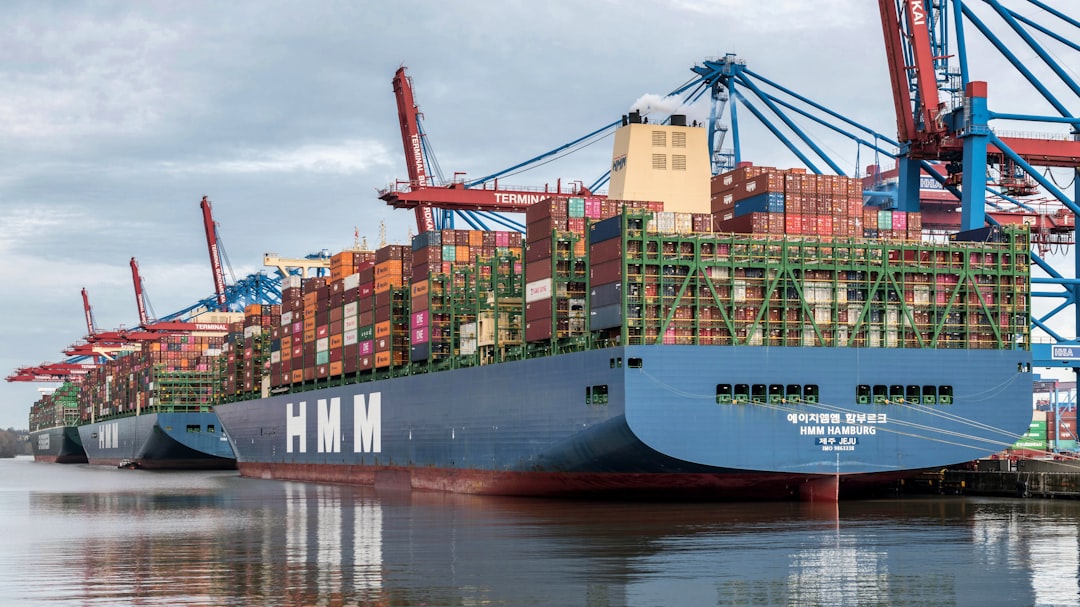
The infrastructure built to facilitate the transport of spices laid the foundation for modern global logistics. Ports like Malacca, Goa, and Batavia became major hubs that connected isolated economies into a singular, interdependent system. The lessons learned by early trading companies regarding shipping, insurance, and risk management were critical in the development of modern international finance and maritime law.
Looking back, the influence of the spice trade is woven into the fabric of human progress. It drove technological innovation in shipbuilding and navigation, forced the creation of complex bureaucratic systems, and instigated a permanent cultural exchange between civilizations. While we now view spices as common ingredients, their history serves as a reminder of how the simple pursuit of flavor reshaped the map of the world forever.
Related Content
🍽️ Recommended Recipes to Try:
- vietnamese shaking beef
- argentinian beef empanadas
- moroccan stuffed mini batbouts
- swedish meatballs with cream sauce
📖 Further Reading:
- How to Pick the Best Rice for Each Recipe
- The Best Ways to Store Ingredients for Maximum Freshness
- Simple Cooking Methods That Always Work
Want to expand your skills? Explore more guides in our
ingredient-guides category!