
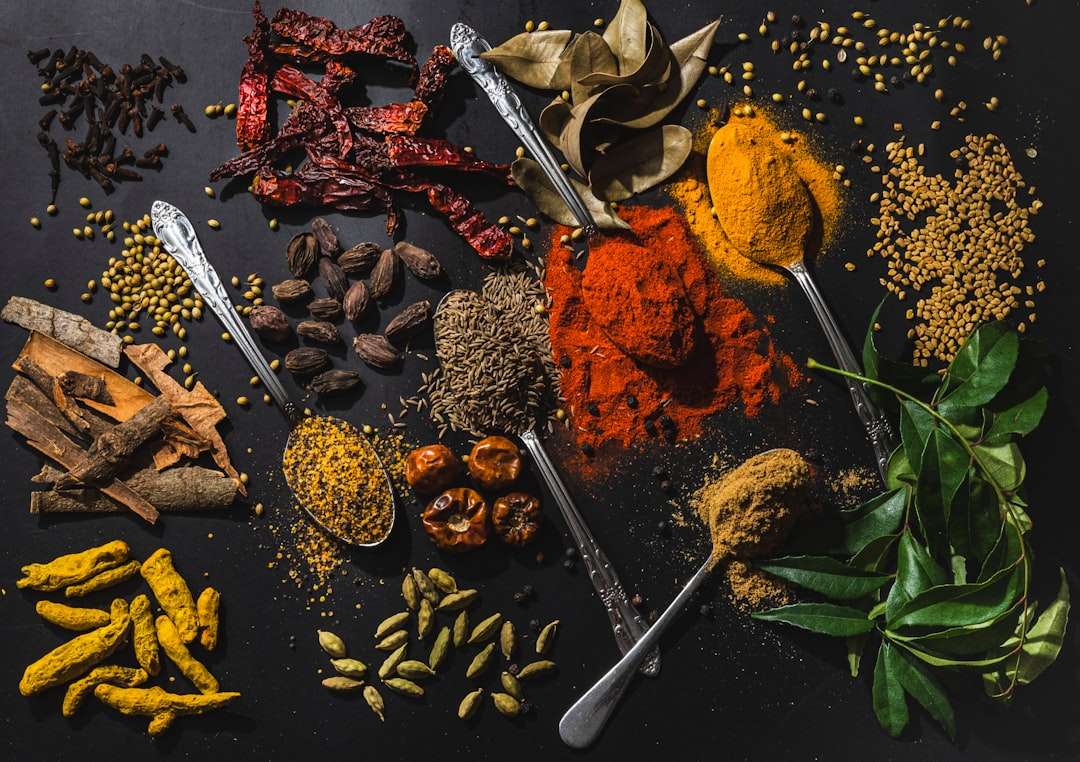
Understanding the Core Differences Between Fresh and Dried Spices
In the culinary arts, understanding the fundamental differences between fresh and dried spices is essential for creating balanced, flavorful dishes. Fresh spices and herbs contain high water content and delicate volatile oils, giving them a bright, vibrant, and often subtle flavor profile. When a plant is harvested fresh, its cell walls are intact, releasing these aromatic compounds gradually when cut, bruised, or chewed.
Conversely, the drying process removes almost all moisture from the spice, which dramatically concentrates the remaining essential oils and sugars. This concentration results in a much more intense, earthy, and deep flavor profile compared to their fresh counterparts. However, this process also causes the loss of highly volatile top notes, which is why a dried herb or spice will never taste exactly like its fresh version, despite originating from the same plant.
When to Use Fresh Spices and Herbs in Your Cooking
Fresh spices and herbs shine brightest when added at the very end of the cooking process or used in raw applications. Because their flavor compounds are delicate and heat-sensitive, prolonged exposure to high temperatures will destroy their vibrant taste and turn bright green colors into dull browns. Using fresh ingredients like cilantro, dill, basil, and mint as finishing touches allows their bright aromatics to elevate the dish right before serving.
They are also ideal for uncooked preparations such as pestos, chimichurris, salads, and cold dressings where their texture and visual appeal are just as important as their flavor. When using fresh ginger, garlic, or chilies, you get a sharp, pungent bite that mellows significantly when dried, making fresh the superior choice for vibrant stir-fries and fresh marinades.
The Culinary Power of Dried Spices and Herbs
Dried spices and herbs are the workhorses of the pantry, offering depth and complexity that can withstand long, slow cooking processes. When simmering a stew, braising meats, or preparing a slow-cooked sauce, dried spices are highly preferred because they require heat and moisture to rehydrate and release their concentrated oils. Throughout hours of cooking, these flavors meld together, creating a rich foundation that fresh ingredients simply cannot sustain.
To unlock the full potential of dried spices, chefs use a technique known as blooming. By heating dried spices in a small amount of oil, butter, or fat before adding liquid, you dissolve the fat-soluble flavor compounds, amplifying their taste and aroma. This technique is fundamental in preparing curries, chilis, and spice rubs for roasting.
Key benefits of dried spices include:
- Extended shelf life and pantry convenience
- Concentrated, deep flavor profiles ideal for slow cooking
- Excellent performance in dry rubs and spice blends
The Golden Rule of Substitution: Ratios and Conversion Rates
When adapting recipes, knowing how to substitute fresh for dried—and vice versa—is a critical skill. The general culinary rule of thumb is a one-to-three ratio. Because dried spices and herbs are far more concentrated than fresh ones, you need much less of them to achieve a similar flavor impact. Specifically, for every tablespoon of fresh herbs or spices called for in a recipe, you should use only one teaspoon of the dried equivalent.
However, this ratio is a starting point and should be adjusted based on the age of your dried spices. Dried spices degrade over time, losing their potency, which means older spices may require a slightly higher ratio. Always taste your dish as it cooks and adjust the seasoning gradually, keeping in mind that dried spices take time to fully release their flavors into the liquid.
Best Practices for Storing and Preserving Both Varieties
To maximize the flavor and shelf life of your ingredients, proper storage is non-negotiable. For fresh herbs and spices, moisture control is key. Hardy fresh herbs like rosemary and thyme should be wrapped in a damp paper towel and stored in a plastic bag in the refrigerator, while delicate herbs like cilantro and parsley do best when stored like a bouquet of flowers in a jar of water with a loose plastic bag over the top.
For dried spices, the enemies are light, heat, air, and moisture. Store your dried spices in airtight glass containers in a cool, dark place like a pantry or drawer rather than right next to your stove. Whole spices can last up to three to four years when stored correctly, while ground spices lose their potency after about six months to a year, making regular inventory checks essential for high-quality home cooking.
Related Content
🍽️ Recommended Recipes to Try:
📖 Further Reading:
- How to Use Herbs to Transform Any Dish
- The Unbeatable Trick to Peeling Garlic in Under 10 Seconds
- The Complete Guide to Seasoning Cast Iron Skillets for a Lifetime Nonstick Finish
Want to expand your skills? Explore more guides in our
Kitchen Guides category!