
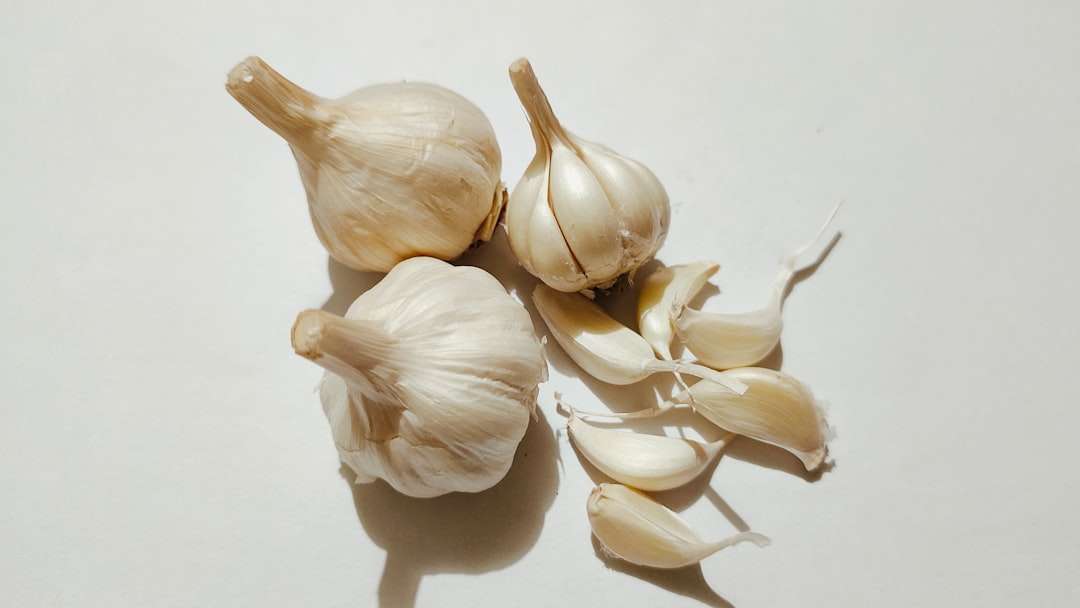
The Culinary Struggle of Peeling Garlic
Garlic is undeniably the aromatic backbone of global gastronomy, anchoring everything from rich Italian marinara sauces to vibrant Asian stir-fries. Despite its indispensable flavor profile, the physical act of preparing garlic is a universally acknowledged chore in both home kitchens and professional environments. The papery, clingy skins often seem designed to defy quick removal, sticking to fingers and knives alike while slowing down valuable prep time.
This frustrating stickiness is caused by the natural oils and sugars present in the garlic skin, which create a mild adhesive effect when dry. For decades, cooks have resigned themselves to tedious picking, fingernail scraping, or messy crushing techniques just to free a few cloves. Understanding the structure of the garlic bulb is the first step toward mastering a faster, cleaner, and far more efficient way to prep this essential ingredient.
The Physics Behind the Under 10 Seconds Method
To bypass the tedious scraping, we must look to basic physics and mechanical agitation. The ultimate ten-second peeling method relies on creating rapid, high-velocity collisions inside a closed chamber. By placing garlic cloves inside two nested bowls and shaking them vigorously, you create an environment where the cloves repeatedly slam against hard surfaces and each other.
This intense friction instantly shatters the dry, brittle outer husks, breaking the adhesive bond between the skin and the flesh. Unlike silicone peeling tubes or manual rubbing, which process only one or two cloves at a time, this kinetic approach can peel an entire head of garlic simultaneously. It is a highly efficient, touch-free system that leaves the garlic cloves pristine and your hands free of lingering odors.
Step-by-Step Guide to the Double-Bowl Shake
Executing this technique requires nothing more than two identical metal or ceramic bowls and a bit of physical energy. First, place a whole head of garlic on a sturdy cutting board and strike it firmly with the heel of your hand to break the bulb apart into individual, unpeeled cloves. Discard the thick root base and any loose, papery outer layers that fall away naturally during this initial step.
Next, place all the separated cloves into one of the bowls, invert the second bowl over the top to create a sealed dome, and grip them securely where the rims meet. Shake the assembly up and down with maximum energy for exactly eight to ten seconds. When you separate the bowls, you will find the fully peeled garlic cloves sitting cleanly amidst a pile of completely detached, dry skins.
Alternative Quick Peeling Techniques for Single Cloves
While the double-bowl shake is unbeatable for large batches, you may occasionally need just one or two cloves for a quick recipe. In these instances, the classic flat-of-the-knife smash remains the premier rapid technique. Simply place a single clove on your cutting board, lay the flat side of a chef’s knife over it, and apply a swift, gentle blow with the heel of your hand to release the skin instantly.
Another excellent alternative for medium-sized batches is the brief microwave method. Placing unpeeled cloves in the microwave for approximately eight to ten seconds heats the internal moisture slightly, creating steam that puffs the skins away from the flesh. While effective, this method should be used cautiously, as excessive heat can slightly cook the garlic and alter its sharp, raw flavor profile.
How Quick Peeling Elevates Your Culinary Workflow
Streamlining your garlic prep has a profound impact on your overall kitchen efficiency and meal preparation workflow. When you can peel a dozen cloves in under ten seconds, you eliminate a major bottleneck in recipes that demand heavy aromatics, such as roasted garlic spreads, marinades, and slow-cooked stews. This newfound speed allows you to focus your culinary energy on precise cooking techniques rather than tedious knife prep.
Furthermore, utilizing efficient peeling methods preserves the integrity of the garlic cloves until you are ready to cut them. Intact cloves prevent the premature release of allicin, the compound responsible for garlic’s pungent aroma and sharp bite. By keeping the cloves unbruised during the peeling process, you retain complete control over the flavor profile of your final dish, ensuring a clean, sweet, and aromatic result every single time.
Related Content
🍽️ Recommended Recipes to Try:
📖 Further Reading:
- Easy Ways to Improve Your Kitchen Efficiency
- The Complete Guide to Seasoning Cast Iron Skillets for a Lifetime Nonstick Finish
- The Science of Dry Brining Chicken for Perfect Crispy Skin
Want to expand your skills? Explore more guides in our
Kitchen Guides category!