The Fundamentals of Visual Presentation
The visual appeal of a dish is the first sensory experience a diner encounters, setting the stage for the flavors to follow. Professional plating is not merely about decoration; it is about organizing components to create a balanced and inviting aesthetic. By mastering basic techniques, home cooks can transform everyday meals into sophisticated, restaurant-quality presentations that enhance the overall dining experience.
Key Principles of Professional Plating
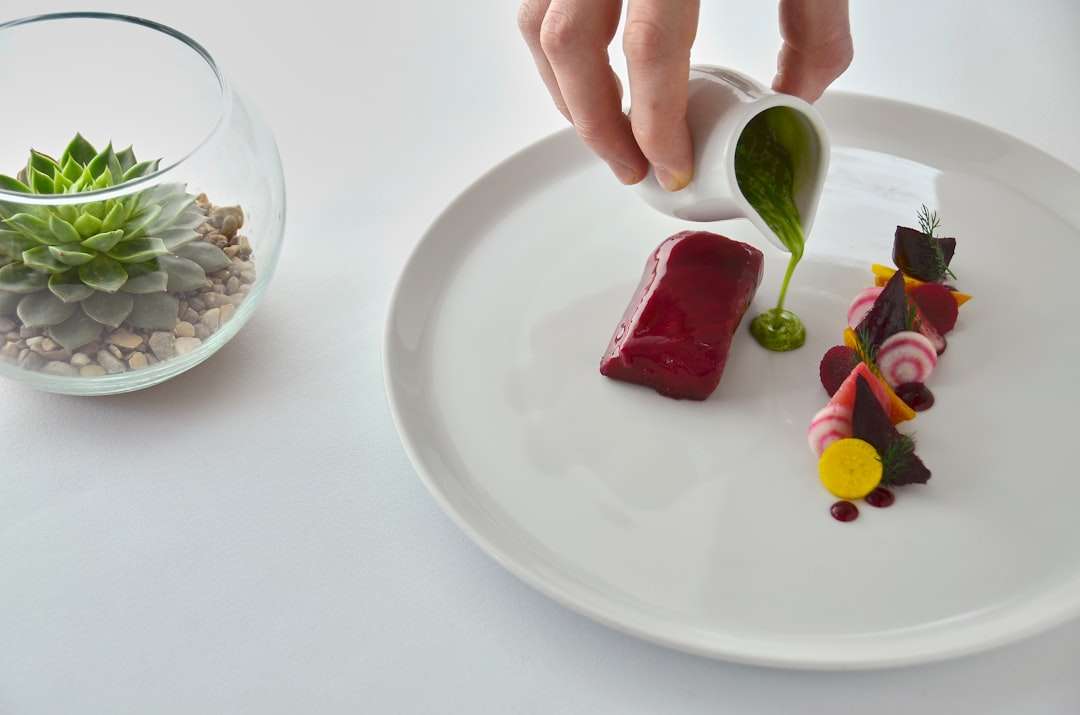
To achieve a high-end look, chefs focus on three core elements: color, height, and texture. Utilizing vibrant, contrasting colors helps make individual ingredients pop against the plate. Building height is another essential technique; by layering proteins over starches or using molds for grains, you create a dynamic three-dimensional appearance. Additionally, incorporating various textures—such as a smooth puree paired with a crispy garnish—adds visual complexity and signals a well-thought-out dish.
Essential Tools and Final Touches
Precision is key to successful plating, and having the right tools makes a significant difference. Squeeze bottles allow for controlled sauce placement, while offset spatulas and kitchen tweezers help in positioning delicate herbs or small garnishes. Always remember the importance of ‘white space’—avoiding the urge to fill the entire plate prevents the dish from looking cluttered. Finally, always wipe the rim of the plate with a clean cloth before serving to ensure a spotless, professional finish.
Related Content
🍽️ Recommended Recipes to Try:
🗂️ Explore Our Recipe Collections:
📖 Further Reading & Guides:
- Cooking Techniques Every Beginner Should Master
- How to Taste and Adjust Your Food Like a Pro
- How to Season Food Like a Professional Chef
Want to learn more tips? Browse our top articles in the
Cooking Tips category!