The Importance of Continuous Tasting
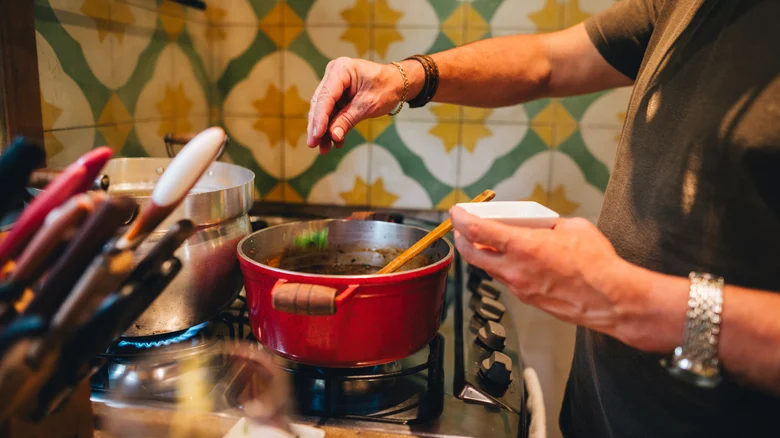
Tasting your food throughout the cooking process is the most critical habit a home cook can develop. Professional chefs do not wait until a dish is plated to determine if it is seasoned correctly; they taste at every stage. This ongoing assessment allows you to understand how flavors evolve as ingredients break down and moisture evaporates. By tasting early and often, you can correct minor imbalances before they become permanent flaws in the finished meal.
Balancing the Core Taste Profiles
When a dish tastes flat or uninspired, it is usually because one of the primary taste profiles is out of balance. To adjust food like a professional, you must learn to identify and correct these specific elements:
- Salt: This is the most common adjustment. Salt does not just make food salty; it acts as a flavor enhancer that unlocks other aromas.
- Acid: If a dish tastes heavy or dull, acid is often the missing link. A squeeze of lemon or a dash of vinegar provides brightness and cuts through fat.
- Sweetness: A small amount of sugar, honey, or maple syrup can balance out excessive bitterness or acidity, rounding out the overall profile of a sauce or dressing.
- Heat: Spices and peppers add depth and excitement. If a dish lacks dimension, a small amount of cayenne or black pepper can provide the necessary kick.
- Umami: For dishes that lack a savory foundation, adding ingredients like soy sauce, tomato paste, or aged cheese can provide a deep, meaty satisfaction.
Practical Techniques for Effective Seasoning
Adjusting flavor requires a methodical approach. Always add seasonings in small increments, as it is far easier to add more than it is to fix an over-seasoned dish. After adding an adjustment, stir the pot thoroughly and allow the flavors to integrate for a minute before tasting again. It is also important to consider the serving temperature; heat amplifies flavors, so cold dishes often require more aggressive seasoning than hot ones. Finally, always cleanse your palate with water if you are tasting multiple components to ensure your judgment remains accurate.
Related Content
🍽️ Recommended Recipes to Try:
🗂️ Explore Our Recipe Collections:
📖 Further Reading & Guides:
- The Science Behind Perfect Cooking
- How to Balance Flavors in Any Dish
- How to Season Food Like a Professional Chef
Want to learn more tips? Browse our top articles in the
Cooking Tips category!