
Understanding the Chemistry of Herbs in Culinary Arts
Herbs are the secret weapon of professional chefs, offering an unparalleled ability to elevate a dish from mundane to extraordinary. At the heart of this transformative power lies organic chemistry. Herbs contain volatile essential oils that hold their distinct aromatic compounds. When we cook with herbs, we are essentially managing the release and retention of these volatile oils. Understanding how these compounds react to heat, moisture, and fats allows cooks to manipulate flavor profiles with scientific precision.
The distinction between water-soluble and fat-soluble compounds dictates how herbs behave in different culinary applications. For instance, the aromatic oils in rosemary and thyme are highly fat-soluble, meaning they infuse beautifully into cooking oils, butter, and animal fats during long, slow braises. Conversely, tender herbs like parsley or chervil feature delicate, water-soluble compounds that dissipate quickly when exposed to high heat. Mastering the balance of these chemical properties is the first step toward using herbs to completely redefine your cooking style.
The Crucial Distinction Between Tender and Woody Herbs
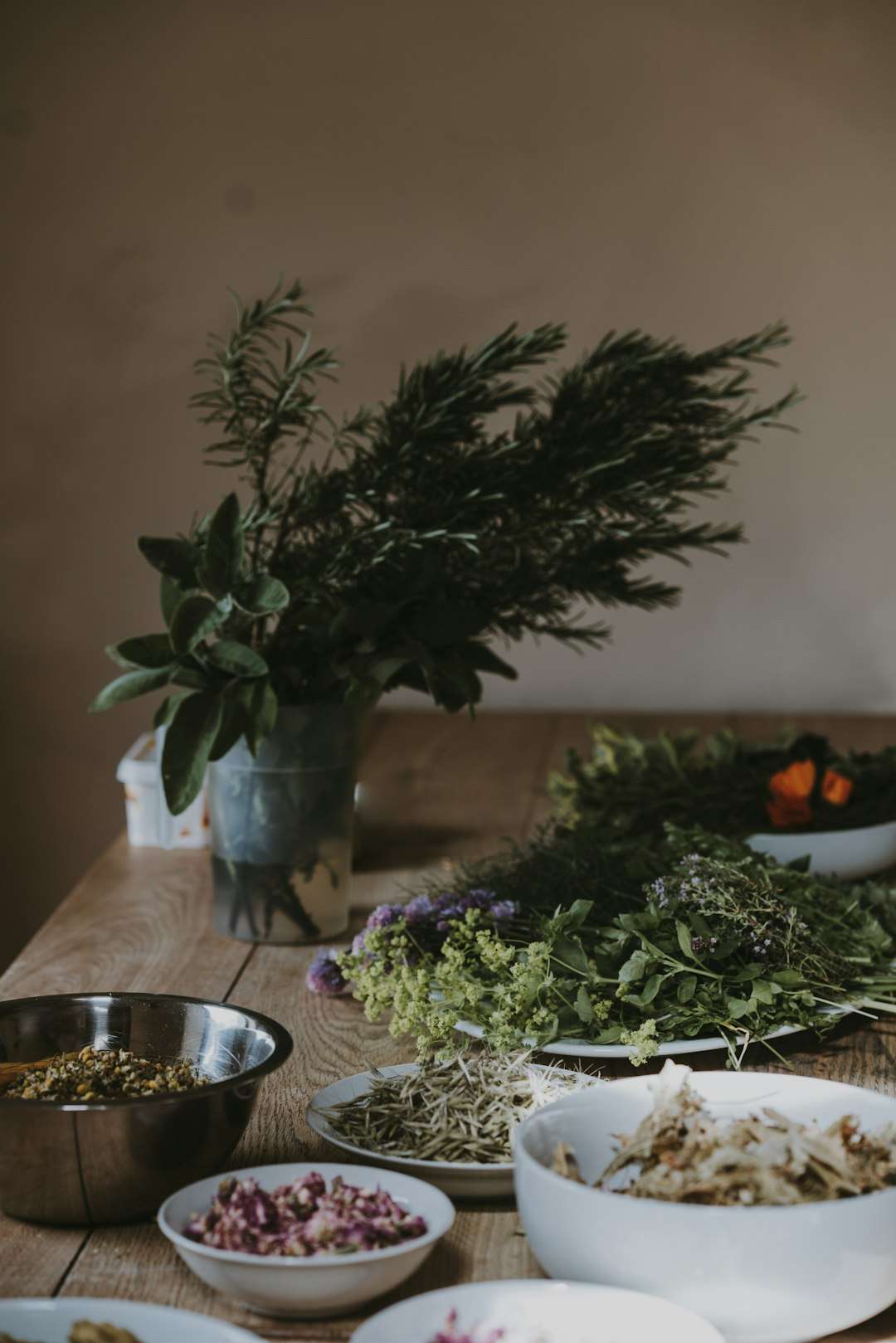
To use herbs effectively, you must first categorize them into two main structural families: tender and woody. Tender herbs possess soft green stems and delicate leaves. This category includes culinary staples such as basil, cilantro, dill, mint, chives, and tarragon. Because of their delicate cell structures, these herbs are highly sensitive to heat and oxidation. They are best utilized as raw finishes, folded into dishes at the very end of cooking, or transformed into vibrant uncooked sauces to preserve their bright, fresh characteristics.
Woody herbs, on the other hand, feature tough, fibrous stems and resilient, needle-like or leathery leaves. This robust family includes rosemary, thyme, oregano, sage, and marjoram. These plants evolved to survive harsh, dry climates, resulting in concentrated essential oils that require heat to soften and release. Woody herbs should be introduced early in the cooking process—such as during a sauté, roast, or simmer—allowing their complex, piney, and earthy notes to slowly meld with the other ingredients.
Proper storage is equally essential to maintaining the structural integrity of both herb types. Tender herbs should be treated like fresh flowers: trim their stems and place them upright in a jar of water, covering the tops loosely with a plastic bag before refrigerating. Woody herbs prefer a slightly drier environment; wrap them loosely in a damp paper towel and store them inside a reusable silicone bag or airtight container in the crisper drawer to maximize their shelf life.
Techniques for Maximizing Flavor Release
How you prep your herbs directly influences how much flavor they impart to your food. Bruising, chopping, tearing, and crushing all disrupt the plant cells differently, releasing varying levels of aromatic oils. For example, finely chopping herbs like rosemary or sage breaks open more cell walls, distributing their potent oils evenly throughout a marinade or dough. However, over-chopping tender herbs like basil or mint can bruise the leaves, leading to enzymatic browning and a bitter, metallic off-flavor.
To prevent bruising, always ensure your chef’s knife is exceptionally sharp, allowing you to slice cleanly through the herb membranes rather than crushing them against the cutting board. For tender leafy herbs, a gentle chiffonade—stacking the leaves, rolling them tightly, and slicing them into thin ribbons—creates an elegant presentation while preserving the integrity of the essential oils. Alternatively, gently tearing leaves like sweet basil or mint immediately before serving releases a burst of fresh fragrance without causing premature discoloration.
Another powerful professional technique is blooming your herbs in hot fat. Because many aromatic compounds are fat-soluble, sautéing dried or woody herbs in butter, olive oil, or ghee for thirty seconds before adding liquid creates a deeply flavorful foundation. This technique dissolves the herb’s volatile oils directly into the cooking medium, ensuring that every bite of the finished dish is consistently seasoned from within rather than just on the surface.
Strategic Herb Pairings for Flavor Balancing
Herbs do more than just add their own distinct taste; they play a critical role in balancing the fundamental flavor profiles of a dish. When a recipe tastes flat, it often lacks contrast. Highly aromatic herbs can cut through rich, fatty ingredients, providing a necessary counterpoint. For instance, pairing a rich, buttery roasted lamb with a bright, clean mint sauce or rosemary infusion cuts the heavy mouthfeel and cleanses the palate, making each bite feel refreshed and balanced.
In classical gastronomy, herbs are often combined into traditional blends to create balanced, complex foundations. The French concept of bouquet garni—a bundle of parsley stems, thyme, and bay leaves tied together—slowly infuses stocks, soups, and stews with a subtle, rounded earthiness. Similarly, fines herbes—a delicate blend of finely chopped parsley, chives, tarragon, and chervil—elevates simple egg dishes, poultry, and light fish with its sophisticated, anise-tinged herbaceousness.
Understanding these pairings allows you to experiment confidently. Pair earthy, robust herbs like sage with sweet ingredients like butternut squash or apples to create a complex sweet-savory dynamic. Use citrusy coriander (cilantro) to balance the intense heat of chilies in tropical and sub-tropical cuisines. By treating herbs as balancing agents rather than mere afterthoughts, you gain complete control over the sensory experience of your culinary creations.
Transforming Everyday Leftovers and Simple Dishes
One of the most practical applications of herb mastery is the ability to instantly elevate humble pantry staples and leftovers. A simple bowl of boiled white rice, plain quinoa, or canned white beans can be instantly transformed into a gourmet side dish with the addition of finely minced chives, a squeeze of lemon, and a drizzle of herb-infused oil. These simple additions introduce texture, color, and dynamic flavor layers to otherwise monochromatic foods.
Creating versatile, herb-heavy condiments is another excellent way to add restaurant-quality flair to daily meals. Whipping up a quick Argentinian chimichurri with parsley, oregano, garlic, and red wine vinegar provides a bright, acidic punch that cuts through grilled meats. Alternatively, a classic Italian pesto utilizing fresh basil, pine nuts, garlic, parmesan, and quality olive oil can serve as a luxurious pasta sauce, a spread for gourmet sandwiches, or a flavorful dollop over roasted summer vegetables.
Related Content
🍽️ Recommended Recipes to Try:
- grilled swordfish salsa verde
- potato gnocchi with pesto
- greek chicken meal prep bowls
- mediterranean meal prep bowls
📖 Further Reading:
- What to Cook in Seasonal Transitions (Late Summer / Early Autumn Ideas)
- The Essential Guide to Mastering the Five French Mother Sauces
- The Science of Dry Brining Chicken for Perfect Crispy Skin
Want to expand your skills? Explore more guides in our
ingredient-guides category!