
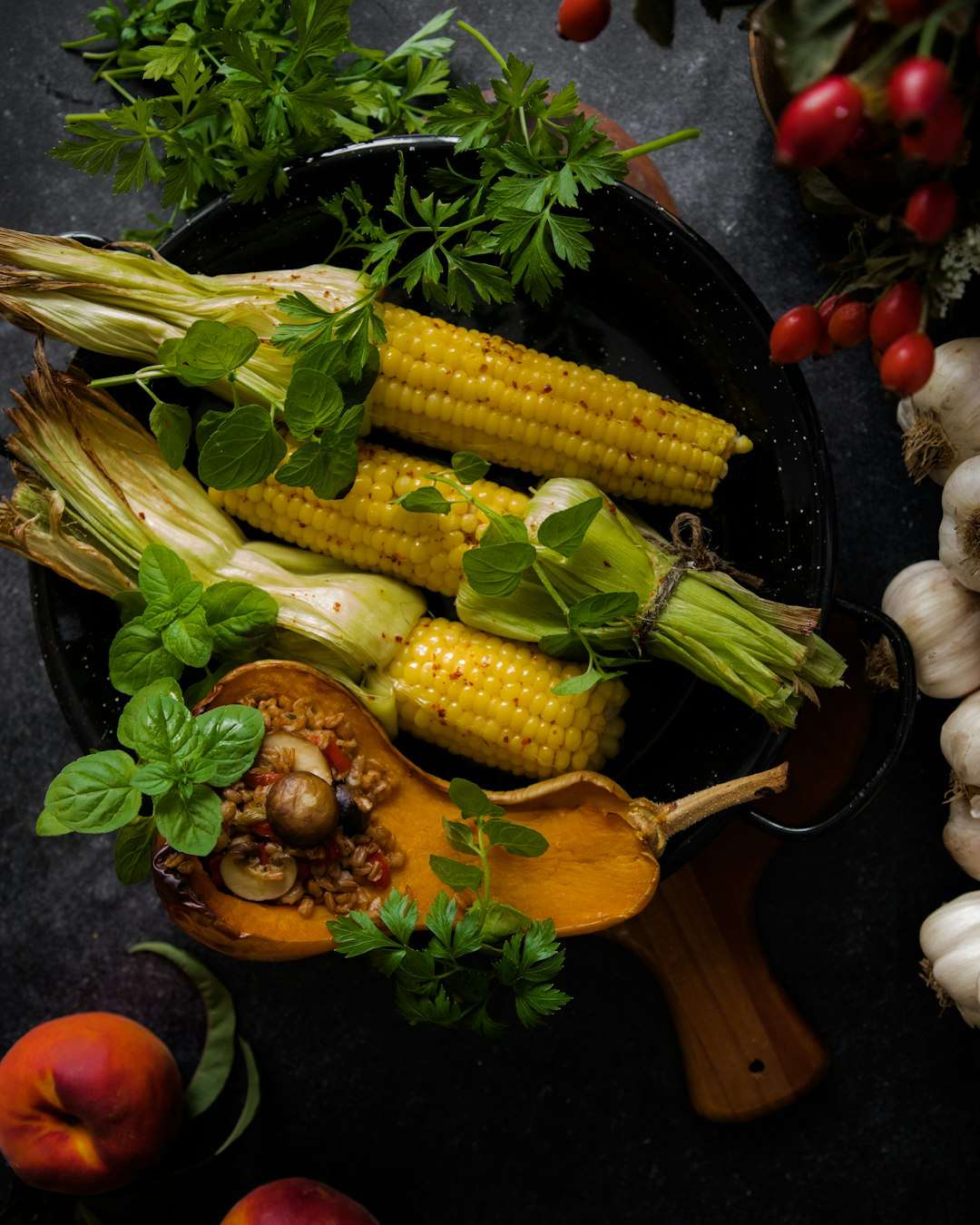
Embracing the Culinary Bridge of Late Summer and Early Autumn
The transition from late summer to early autumn represents one of the most exciting micro-seasons for home cooks and culinary enthusiasts alike. During this brief window, the abundant, sun-drenched harvest of August overlaps beautifully with the earthy, grounding produce of October. It is a period of culinary duality, where hot afternoons still call for refreshing flavors, but chilly evenings invite the comforting warmth of a preheated oven.
Navigating this seasonal shift requires a flexible approach to meal planning. Rather than abruptly switching from crisp raw salads to heavy slow-cooked stews, the most successful transitional dishes bridge the gap. By combining the vibrant acidity of late-season tomatoes with the deep, caramelized notes of roasted root vegetables, you can create balanced plates that satisfy both the lingering desire for summer freshness and the instinctual craving for autumn comfort.
The Hybrid Pantry: Melding Warm-Weather Bounty with Cool-Weather Staples
Successful transitional cooking relies on a hybrid pantry that successfully merges two distinct seasons. At the market, you will find late-season treasures like sweet corn, heirloom tomatoes, and juicy plums sitting right alongside early-harvest butternut squash, crisp apples, and hearty brassicas. Embracing this overlap allows for creative ingredient pairings that would seem out of place at any other time of the year.
To build a transitional pantry, begin introducing heartier grains such as farro, wild rice, and pearled barley, which provide a robust base for late-summer vegetables. Incorporating warm spices like cinnamon, nutmeg, and cumin into savory dishes adds an immediate sense of autumnal warmth without overpowering the delicate flavors of remaining summer produce. This balance ensures your meals feel grounded, nourishing, and highly reflective of the changing landscape.
Roasting and Searing: Transitional Cooking Techniques
As the weather cools, our preferred cooking techniques naturally shift from outdoor grilling and raw preparations toward heat-intensive indoor methods. Roasting becomes the foundational technique of this transitional period, as it concentrates sugars and coaxes rich, complex flavors out of both summer and autumn crops. High-heat roasting can transform lingering summer zucchini or cherry tomatoes into sweet, jammy components perfect for tossing with pasta or grains.
Skillet searing and shallow braising also come to the forefront during this time. These techniques allow you to develop a deeply caramelized crust on proteins or hearty vegetables while maintaining a relatively quick cooking time. A quick pork chop sear accompanied by a warm pan sauce of sautéed late-summer figs and balsamic reduction is an excellent example of how intermediate techniques can highlight transitional ingredients.
Menu Ideas: Balancing Freshness and Comfort
When planning your weekly menu during this seasonal shift, aim for dishes that highlight contrast in both temperature and texture. One exceptional concept is a warm grain salad featuring roasted delicata squash, fresh baby arugula, toasted pumpkin seeds, and a bright vinaigrette made from late-summer blackberries. This combination offers the comforting warmth of roasted starch balanced by the peppery bite and acidity of fresh greens.
Soups also offer a perfect canvas for late summer and early autumn ideas. A smoky sweet corn chowder infused with early-season potatoes provides comforting richness while celebrating the peak sweetness of late-harvest corn. Alternatively, a roasted tomato and red pepper soup pairs beautifully with a grilled cheese sandwich featuring sharp autumn cheddar, creating a nostalgic meal that feels appropriate for any transitional evening.
Sustaining the Harvest: Preserving and Batch Cooking
The late summer and early autumn transition is historically the time of preservation, a culinary practice that remains incredibly valuable today. As the final harvests of summer herbs, peppers, and tomatoes arrive, taking the time to preserve them ensures their vibrant flavors are captured for the colder months ahead. Simple techniques like freezing batches of fresh basil pesto, quick-pickling red onions, or canning spiced plum jam can easily extend the season.
In addition to preservation, this transition is the ideal moment to re-establish a consistent batch-cooking routine. Preparing large portions of vegetable-heavy curries, bean stews, or grain bowls allows you to easily navigate busy autumn schedules. By incorporating both late-summer aromatics and hardy autumn vegetables into these big-batch meals, you create highly nutritious, comforting options that make the seasonal transition seamless and delicious.
Related Content
🍽️ Recommended Recipes to Try:
📖 Further Reading:
- The Science of Dry Brining Chicken for Perfect Crispy Skin
- The Complete Guide to Seasoning Cast Iron Skillets for a Lifetime Nonstick Finish
- Easy Ways to Improve Your Kitchen Efficiency
Want to expand your skills? Explore more guides in our
ingredient-guides category!