
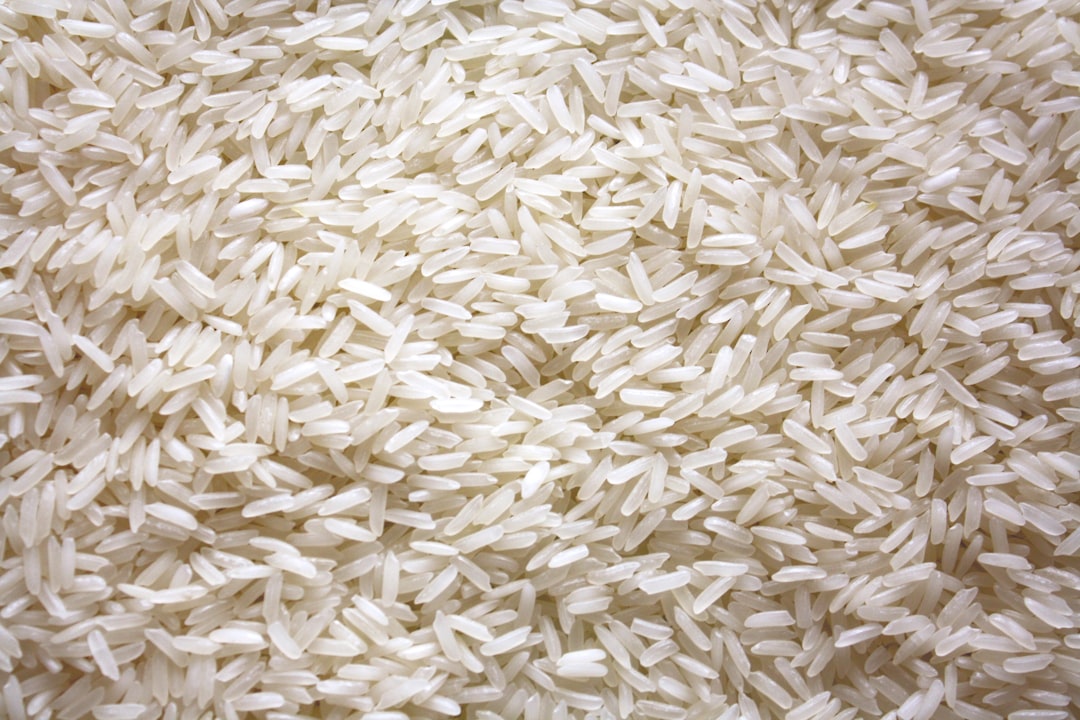
The Science of Rice Varieties and Starch Content
Understanding how to pick the best rice for each recipe begins with recognizing the fundamental differences in starch composition. Rice grains are categorized primarily by their amylose and amylopectin content, which dictates how the grains behave when heated in liquid. Long-grain varieties contain higher amounts of amylose, which allows them to remain separate and fluffy after cooking, making them the gold standard for side dishes and pilafs.
Conversely, short-grain and medium-grain rice contain higher concentrations of amylopectin, a starch that becomes sticky and gelatinous when hydrated. This unique structure is essential for dishes that require cohesion, such as sushi, risotto, or rice pudding. By identifying the starch profile of your grain, you can predict the final texture and ensure your culinary results align with the specific requirements of your dish.
Selecting Long-Grain Rice for Fluffy Results
When you require grains that stay distinct and airy, long-grain white rice, Basmati, or Jasmine are your primary choices. Basmati, originating from the Himalayan regions, is prized for its signature aroma and elongated, slender grains. Because it is aged before milling, it absorbs flavor without losing its shape, making it the perfect companion for complex curries, biryanis, and aromatic Indian-inspired recipes.
Jasmine rice, native to Thailand, offers a slightly softer texture and a floral scent that complements Southeast Asian cuisine. While it is stickier than Basmati, it still maintains enough structural integrity to be used in stir-fries or as a fragrant base for grilled meats. For consistent results, it is crucial to rinse these varieties thoroughly until the water runs clear to remove excess surface starch that can lead to clumping.
The Mastery of Short-Grain Rice for Creamy Dishes
If your recipe demands a creamy, cohesive texture, short-grain varieties such as Arborio or Carnaroli are indispensable. These grains are specifically suited for Italian risotto because they release starch slowly during the cooking process, creating a luxurious, velvety sauce without the need for additional thickeners. The secret lies in the constant stirring and gradual addition of warm broth, which physically agitates the grains to release their internal starches.
Beyond risotto, short-grain rice is essential for Japanese culinary traditions, particularly sushi and donburi bowls. These varieties offer a pleasant chewiness that holds together when pressed or shaped. When cooking these grains, the ratio of water to rice must be carefully calibrated to ensure the center of the grain is perfectly tender while the exterior retains its signature clingy, tacky nature.
Why Parboiled and Whole Grain Rice Require Different Techniques
Parboiled rice undergoes a unique steaming process before milling, which forces nutrients into the endosperm and hardens the grain. This makes it incredibly difficult to overcook, resulting in a firm, separate grain that is ideal for large-scale catering, meal prep, or beginner cooks who struggle with texture control. Because the husk is removed after steaming, the grain is nutritionally superior to standard white rice but requires slightly longer cooking times and more liquid to achieve proper hydration.
Whole grain or brown rice retains its bran and germ layers, which adds a nutty flavor and a chewy, robust texture. However, these layers act as a barrier to moisture absorption, meaning that brown rice requires a longer simmering time and a higher water-to-grain ratio than its polished counterparts. Incorporating brown rice into your diet requires patience, as the grain demands more time to fully soften compared to the quick-cooking nature of refined white rice.
Expert Tips for Storing and Cooking Success
To ensure your rice remains at its peak quality, storage is just as important as selection. Rice is susceptible to humidity and pests, so it should always be kept in an airtight container in a cool, dark place. For long-term storage, keeping grains in the pantry is standard, but keeping them away from heat sources like ovens or dishwashers will prevent premature degradation of natural oils, especially in brown or wild rice varieties.
Finally, always allow your rice to rest after cooking. This resting period, typically five to ten minutes with the lid on, allows the moisture to redistribute evenly throughout the pot. This final step prevents the bottom from becoming overly soggy while ensuring the top layer of grains is perfectly steamed. By mastering these variables—starch type, hydration, and resting time—you will be able to select and prepare the perfect rice for any recipe in your repertoire.
Related Content
🍽️ Recommended Recipes to Try:
- melty rice arancini
- swedish meatballs with cream sauce
- buffalo chicken protein bowls
- breakfast burrito with black beans
📖 Further Reading:
- How to Follow a Recipe Without Mistakes
- Simple Cooking Methods That Always Work
- How to Prepare Ingredients in Advance Like a Pro Chef
Want to expand your skills? Explore more guides in our
Kitchen Guides category!