
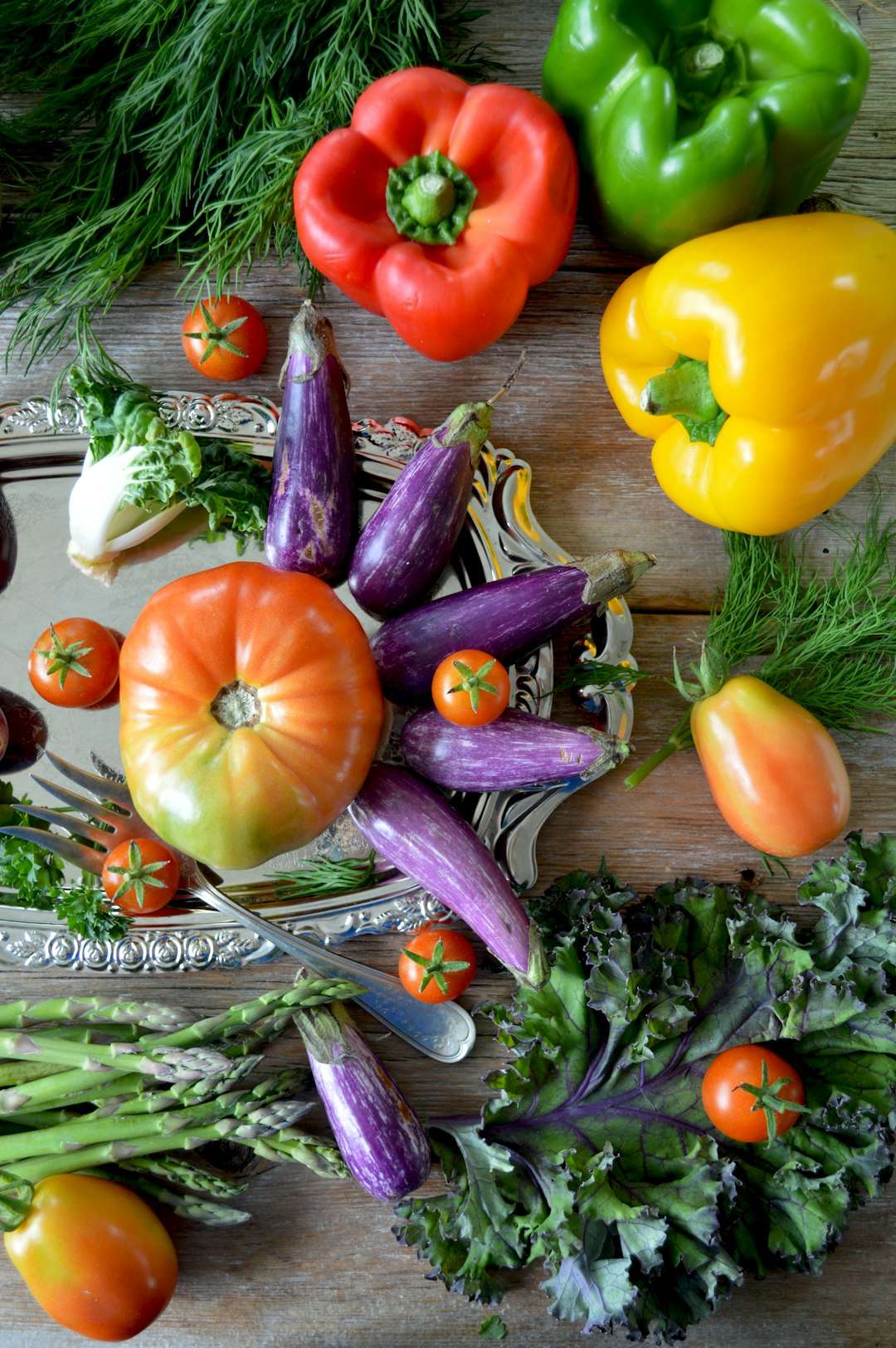
The Culinary Renaissance of Spring Vegetables
As the cold, dark days of winter fade away, the culinary world experiences a vibrant awakening. The heavy root vegetables and hearty stews that sustained us through the frost give way to the crisp, bright, and rejuvenating flavors of spring. Historically, the arrival of spring vegetables was celebrated as a vital source of nutrition after months of limited fresh produce, offering a natural palate cleanse rich in essential vitamins and minerals.
Embracing seasonal eating during this time means filling your plate with nutrient-dense ingredients like tender asparagus, sweet peas, peppery radishes, and fragrant wild ramps. These vegetables require minimal manipulation to shine, as their natural sweetness and delicate textures are best preserved through simple, thoughtful cooking techniques. By choosing local, seasonal produce, you not only support sustainable agricultural practices but also enjoy ingredients at their absolute peak of flavor and nutritional value.
To make the most of this fleeting harvest, home cooks should focus on lightweight preparation methods. Here are some of the key seasonal gems to look for at your local farmer’s market: asparagus for earthy sweetness, english peas for a pop of sugar, ramps for a garlicky punch, and fennel for a crisp anise aroma. Integrating these ingredients into your weekly meal rotation brings a refreshing lightness to your dining table.
Vibrant Asparagus and Mint Risotto
Asparagus stands as the ultimate harbinger of spring, boasting an earthy yet clean flavor profile that pairs beautifully with rich, creamy textures. When selecting asparagus at the market, look for firm, straight spears with tightly closed buds. While pencil-thin asparagus is excellent for raw shavings or quick sautés, medium to thick spears are ideal for roasting, grilling, or incorporating into a luxurious, slow-stirred risotto.
This vibrant asparagus and mint risotto captures the essence of the season by balancing the rich, starchy creaminess of Arborio rice with a bright green asparagus puree and fresh mint leaves. By blending a portion of the blanched asparagus into a smooth sauce, you infuse the entire dish with a stunning emerald hue and concentrated vegetal flavor. The addition of fresh mint and a splash of lemon juice at the very end of cooking cuts through the richness, leaving a clean, refreshing finish on the palate.
Achieving the perfect risotto requires patience and technique, specifically the gradual addition of warm vegetable stock to release the rice’s natural starches. To elevate this dish further, stir in a generous handful of freshly grated Parmigiano-Reggiano and a touch of cold unsalted butter off the heat. This classic Italian technique, known as mantecatura, creates an incredibly velvety emulsion that perfectly coats every grain of rice and piece of tender asparagus.
Shaved Fennel and Radish Salad with Lemon-Herb Vinaigrette
When the weather warms up, raw preparations offer a delightful way to experience the crisp textures of spring vegetables. Fennel and radishes are two prime candidates for raw salads, offering a brilliant contrast of sweet, anise-like notes and sharp, peppery crunch. This simple yet sophisticated salad serves as an elegant starter or a refreshing side dish that cleanses the palate and complements heavier main courses.
To prepare this dish successfully, precision slicing is key. Utilizing a kitchen mandoline allows you to shave both the fennel bulb and the radishes into paper-thin translucent ribbons, which softens their fibrous structure while retaining their signature crunch. Tossing these delicate shavings with a bright vinaigrette made from fresh lemon juice, extra virgin oil, and minced shallots helps to macerate the vegetables slightly, making them incredibly tender and flavorful.
Enhancing this salad with fresh spring herbs like dill, chervil, or chives adds layers of aromatic complexity that round out the dish. You can also customize the texture and flavor profile by incorporating a few simple toppings before serving:
- Toasted pine nuts or walnuts for a rich, buttery crunch
- Shaved Pecorino Romano or crumbled goat cheese for a savory, salty contrast
- Flaky sea salt and freshly cracked black pepper to finish
This minimalist approach lets the natural beauty and flavor of the spring harvest take center stage.
Spring Pea and Ricotta Tart with Fresh Herbs
Fresh English peas and sugar snap peas are renowned for their brief growing season and intense, sugary sweetness. Historically, young peas were considered a luxury in European courts, prized for their delicate texture and sweet milk. Pairing these vibrant green pearls with a mild, creamy curd cheese like fresh ricotta creates a classic flavor combination that has inspired bakers and chefs for generations.
A spring pea and ricotta tart is the perfect centerpiece for a seasonal brunch or afternoon lunch. Built on a base of flaky, buttery puff pastry, the filling consists of whole-milk ricotta whipped with lemon zest, grated garlic, and finely chopped mint or tarragon. This creamy layer is then topped with a generous mixture of sweet blanched peas and sugar snap peas, creating a beautiful mosaic of varying shades of green that looks as stunning as it tastes.
To ensure your tart remains light and crisp, blind-baking the pastry crust before adding the wet filling is highly recommended. Once baked, garnish the tart with a handful of delicate pea shoots, a drizzle of high-quality extra virgin olive oil, and a sprinkle of lemon zest. The contrast between the warm, buttery pastry, the cool, herbaceous ricotta, and the sweet, popping peas exemplifies the joy of spring cooking.
Pan-Seared Salmon with a Wild Ramp and Nettle Pesto
Foraging for wild ingredients is a beloved spring tradition, and few items are as highly sought after as wild ramps and stinging nettles. Ramps, also known as wild leeks, offer a unique flavor profile that sits somewhere between pungent garlic and sweet spring onion. Stinging nettles, despite their intimidating name, lose their sting completely when blanched, transforming into a deeply flavorful green rich in iron and earthy flavor resembling spinach.
Combining these two prized wild ingredients into a vibrant green pesto provides the perfect accompaniment for a rich, fatty fish like pan-seared salmon. The sharp, garlicky notes of the wild ramps and the earthy undertones of the nettle pesto cut through the richness of the salmon, creating a balanced and harmonious dish. This recipe celebrates the ephemeral nature of spring foraging, offering a taste of the wild landscape on your dinner plate.
When preparing the pesto, ensure you blanch the nettles in boiling water for at least two minutes to neutralize the stinging hairs before processing them with toasted pine nuts, parmesan, olive oil, and raw ramp leaves. Sear your salmon fillets in a hot skillet until the skin is perfectly crisp while keeping the flesh tender and moist. Serve the salmon immediately, spooning the bright, rustic pesto generously over the top for a truly memorable, chef-quality spring dining experience.
Related Content
🍽️ Recommended Recipes to Try:
- pan seared scallops pea puree
- easy cheesy stuffed zucchini boats
- easy roasted cauliflower steaks
- crispy air fryer broccoli
📖 Further Reading:
- How to Use Herbs to Transform Any Dish
- What to Cook in Seasonal Transitions (Late Summer / Early Autumn Ideas)
- The Complete Guide to Fresh vs Dried Spices
Want to expand your skills? Explore more guides in our
healthy-cooking category!