The Fundamentals of Successful Meal Preparation
Meal preparation is more than just cooking in bulk; it is a strategic approach to managing your nutrition and time effectively. For beginners, the process often starts with selecting a dedicated day to plan, shop, and cook. By establishing a routine, you eliminate the daily stress of deciding what to eat, which often leads to poor dietary choices. Consistency is the cornerstone of this practice, allowing you to build sustainable habits that support your health goals.
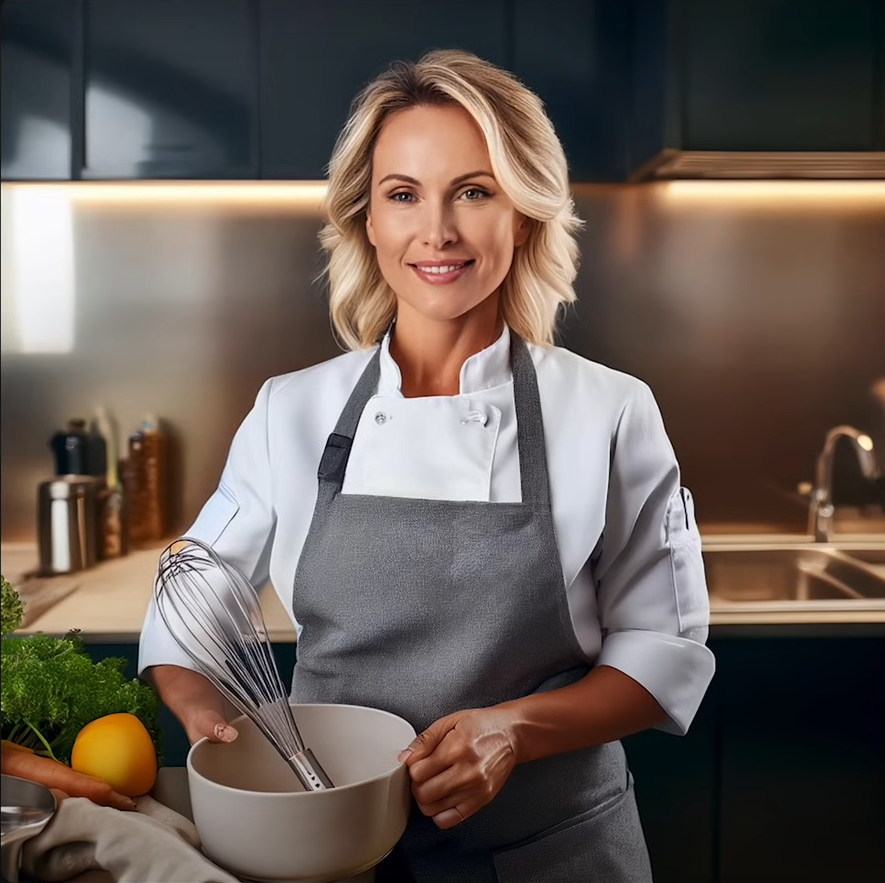
A successful transition into meal prepping requires shifting your mindset from cooking single meals to viewing your kitchen as a production center. Start by assessing your weekly schedule to determine which meals are most difficult for you to prepare during the week. Often, focusing on just one or two meal types, such as lunches or breakfast options, provides a manageable entry point that prevents early burnout.
Mastering Efficient Grocery Shopping
Shopping with a purpose is the secret to avoiding impulse purchases and ensuring you have exactly what you need for the week ahead. Before heading to the store, perform a thorough inventory of your pantry and refrigerator to prevent double-buying ingredients you already possess. Organizing your shopping list by grocery store sections—produce, proteins, grains, and dry goods—will significantly reduce the time you spend navigating the aisles.
When selecting ingredients, prioritize versatility. Choose base components like quinoa, roasted chicken, or seasonal vegetables that can be repurposed into different flavor profiles throughout the week. This approach reduces the quantity of individual items you need to track and ensures that your weekly prep remains both cost-effective and highly efficient. Keeping a standardized list of staples can also streamline the process over time.
Essential Tools for Optimized Prep
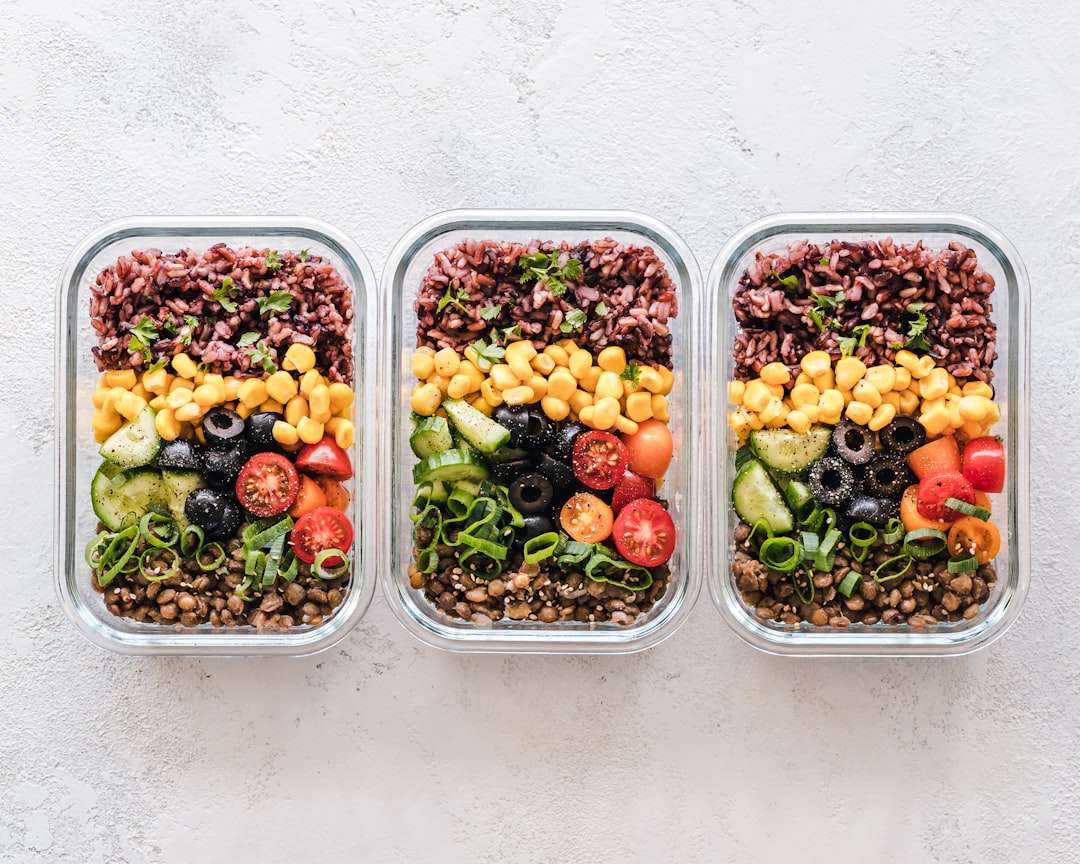
Equipping your kitchen with the right gear can make the difference between a frustrating afternoon and a streamlined workflow. Invest in high-quality, airtight glass storage containers, as they are durable, microwave-safe, and do not retain odors. Having a uniform set of containers also makes stacking them in the refrigerator much easier, which helps you maximize your available storage space effectively.
In addition to storage, focus on reliable prep tools such as a sharp chef’s knife and a large, stable cutting board. These items reduce the physical effort required for chopping large quantities of produce, making the process feel less like a chore. Consider adding a slow cooker or a pressure cooker to your arsenal, as these appliances allow you to prepare protein-heavy dishes with minimal active oversight, freeing you to focus on other components of your meal plan.
Flavor Balancing and Batch Cooking
Batch cooking is a pillar of meal prep, but it should not result in monotonous meals. The key to staying interested in your prepped food lies in the careful application of diverse seasoning profiles. By preparing a neutral base of grains and proteins, you can apply distinct sauces, fresh herbs, or citrus juices immediately before serving to keep your meals tasting fresh rather than reheated.
Implement a modular cooking strategy by preparing several components separately rather than mixing them into single pre-made casseroles. For example, keep your grilled vegetables, steamed proteins, and cold grains in separate containers. This allows you to mix and match elements daily, providing the flexibility to assemble a salad, a warm bowl, or a wrap depending on your current cravings while maintaining the convenience of pre-cooked ingredients.
Structuring Your Weekly Workflow
Consistency in your workflow ensures that meal prepping remains a manageable part of your lifestyle rather than an overwhelming task. Begin your preparation session by starting the longest-cooking items first, such as grains or roasted proteins, while utilizing your active time to chop vegetables or mix dressings. This concurrent processing keeps your timeline efficient and prevents unnecessary downtime in the kitchen.
Once your cooking is complete, allow all food to cool completely before covering and refrigerating. This prevents condensation from building up inside the containers, which is the primary cause of soggy textures in prepped food. By following a logical sequence—plan, shop, cook, cool, and store—you create a reliable system that empowers you to control your diet and reclaim your valuable time during the busy work week.
Related Content
🍽️ Recommended Recipes to Try:
- pesto chicken and veggies best healthy weeknight meal
- buffalo chicken protein bowls
- beef and broccoli meal prep
- high protein chia pudding
📖 Further Reading:
- How to Prepare Ingredients in Advance Like a Pro Chef
- The Best Ways to Store Ingredients for Maximum Freshness
- How to Build a Weekly Cooking Routine That Saves Time
Want to expand your skills? Explore more guides in our
Cooking Tips category!