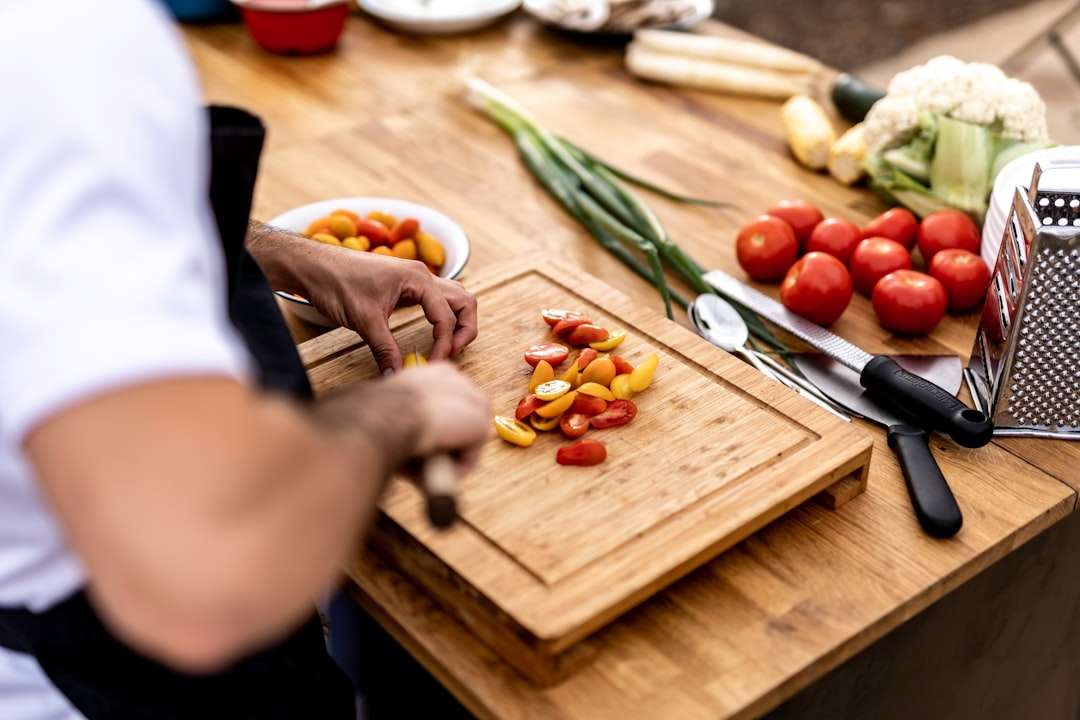
The Philosophy of Mise en Place
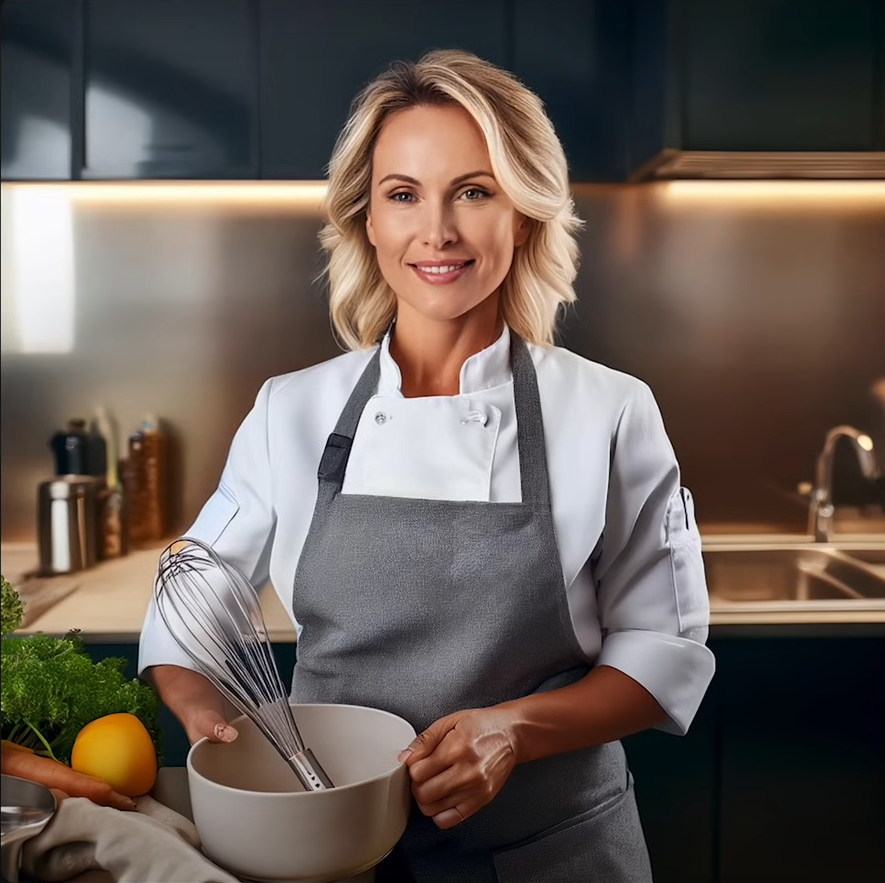
In the professional culinary world, the concept of mise en place—meaning everything in its place—is the foundational pillar upon which every successful service is built. This approach is not merely about organizing your workspace; it is a systematic methodology for prepping ingredients in advance to ensure that the actual cooking process remains fluid, stress-free, and precise. By tackling the labor-intensive components of a recipe ahead of time, you remove the frantic pace of chopping and measuring while a pan is already sizzling on the heat.
When you adopt this professional mindset at home, you transform your kitchen from a site of chaos into a place of creative execution. Preparing your aromatics, protein portions, and sauces before you even turn on the stove allows you to focus on heat control and seasoning. This shift in workflow is exactly how executive chefs maintain consistency across hundreds of plates, and it is the most effective way to elevate your home cooking to restaurant-grade quality.
Mastering Efficient Knife Skills and Vegetable Prep
The vast majority of preparation time in any recipe is dedicated to knife work. Pro chefs understand that chopping a single onion or mincing garlic during the heat of cooking is inefficient. Instead, they batch-process their ingredients. By dedicating twenty minutes at the start of your week or a few hours before a dinner party to peel, slice, dice, and mince your fresh produce, you reduce the barrier to entry for cooking daily. Storing these prepped items in airtight glass containers preserves their freshness and texture, making them ready to use in an instant.
Beyond simple chopping, mastering the art of uniform cuts is essential for even cooking. Professional chefs use prep time to ensure that vegetables are cut to specific dimensions, which allows them to cook at the same rate. Whether you are blanching greens or preparing a mirepoix, taking the time to organize your prepped items into distinct bowls or containers mimics the efficiency of a professional kitchen line. This organized staging area prevents overcooked ingredients and ensures that every element of your meal finishes at the perfect moment.
Strategic Protein Preparation and Portioning
Proteins require specific handling to achieve professional results, and prepping them in advance is a cornerstone of efficient kitchen management. This process often involves cleaning, trimming excess fat, and portioning proteins according to individual serving sizes. By preparing your chicken breasts, steaks, or fish fillets before you need them, you can also focus on essential flavor-building techniques like dry-brining. Seasoning your proteins with salt hours in advance allows the flavor to penetrate deep into the fibers, resulting in a much more succulent and well-seasoned final dish.
Furthermore, this is the ideal time to create marinades or dry rubs that can work their magic while the protein rests in the refrigerator. Prepping your meats in advance not only saves time during the dinner rush but also guarantees that your proteins will be properly tempered, cleaned, and flavored. By moving your proteins from a raw, disorganized state into a pre-portioned, seasoned state, you eliminate the need to handle raw meat once you have begun the active cooking phase of your meal.
The Art of Developing Complex Foundations in Advance
Professional chefs rarely start a dish from absolute zero; they rely on foundational preparations, such as stocks, sauces, and compound butters, to build depth of flavor. By creating these base components in advance, you can drastically reduce your cooking time while simultaneously improving the final quality of your food. For instance, having a high-quality homemade stock ready in the freezer allows you to deglaze a pan and create a pan sauce in minutes, a task that would otherwise take hours of simmering.
Developing these flavor foundations is perhaps the most significant way to mimic the depth found in high-end restaurant food. When you dedicate time to slow-roasting garlic, reducing wine sauces, or whipping up savory herb butters, you are essentially front-loading the flavor profile of your future meals. These prepped components can act as a catalyst, transforming basic ingredients into sophisticated dishes with minimal effort during the week. This strategy ensures that even a simple weeknight meal can feature the complex, layered flavors typically reserved for fine dining.
Systematic Storage and Kitchen Organization
Even the most diligent preparation can be undone by improper storage. Professional kitchens rely on clear, consistent labeling and storage systems to maintain the integrity of their prepped ingredients. To prep like a pro, you must invest in high-quality, clear food storage containers that allow you to see exactly what is inside. Storing prepped ingredients in stackable containers saves space and keeps your refrigerator organized, ensuring that delicate herbs, pre-chopped aromatics, and blanched vegetables remain fresh for as long as possible.
- Use moisture-absorbent paper towels in containers of leafy greens to extend shelf life.
- Label all containers with dates to maintain a first-in, first-out inventory management system.
- Group related ingredients together, such as all components for a specific stir-fry or salad, to streamline assembly.
Ultimately, professional kitchen management is about reducing friction. When your ingredients are prepared, portioned, and organized in a way that aligns with your cooking process, the act of preparing a meal becomes an exercise in assembly rather than a struggle against time. By mastering these storage and organizational habits, you create a sustainable system that allows you to cook with confidence and professional flair every single day of the week.
Related Content
🍽️ Recommended Recipes to Try:
- air fryer hard boiled eggs
- quick pickled jalapenos
- creamy jalapeno cilantro lime dressing
- air fryer breakfast potatoes
📖 Further Reading:
- How to Build a Weekly Cooking Routine That Saves Time
- How to Choose the Best Tomatoes for Cooking
- Pedro Pascal’s Favorite Cheat Meal: The Unstoppable Rise of Air Fryer Beef Empanadas
Want to expand your skills? Explore more guides in our
Cooking Tips category!