Understanding the Science of Meat and Heat
Cooking meat successfully begins with understanding what happens at a microscopic level when heat is applied. Meat is primarily composed of water, muscle fibers, fat, and connective tissue. When heat is introduced, the protein fibers begin to denature and coagulate, squeezing out water. Understanding this transition is the key to removing culinary anxiety, as it transforms cooking from a guessing game into a predictable, scientific process.
A critical chemical phenomenon to master is the Maillard reaction, which occurs at temperatures above 300 degrees Fahrenheit. This reaction between amino acids and reducing sugars creates hundreds of new flavor compounds, resulting in the rich, savory brown crust we associate with perfectly cooked meat. By focusing on creating the ideal environment for the Maillard reaction, you can achieve deep, complex flavors without constantly worrying about the internal state of the cut.
The Importance of Pre-Cook Preparation
One of the most common mistakes that introduces unnecessary stress into the kitchen is cooking meat straight from the refrigerator. Cold meat dropped onto a hot pan immediately lowers the cooking temperature, leading to uneven heat distribution where the exterior overcooks before the interior can warm up. Allowing your meat to temper on the counter for twenty to thirty minutes ensures a more uniform heat transfer and a perfectly even cook.
Moisture is the absolute enemy of a beautiful sear. If the surface of the meat is wet, the heat of the pan must first evaporate that water before any browning can occur, effectively steaming the meat and leaving it gray and unappealing. Always pat the surface of your meat completely dry with paper towels and season generously with kosher salt to draw out deep-seated moisture and enhance the natural proteins.
Choosing the Right Cooking Method for Your Cut
Stress in the kitchen often arises from attempting to cook a cut of meat using the wrong culinary technique. Tougher cuts of meat, such as beef chuck or pork shoulder, contain high amounts of collagen and connective tissue that require low-and-slow cooking methods like braising or smoking to break down into tender gelatin. Attempting to quick-sear these cuts will yield a rubbery, inedible result, whereas patience transforms them into meltingly tender masterpieces.
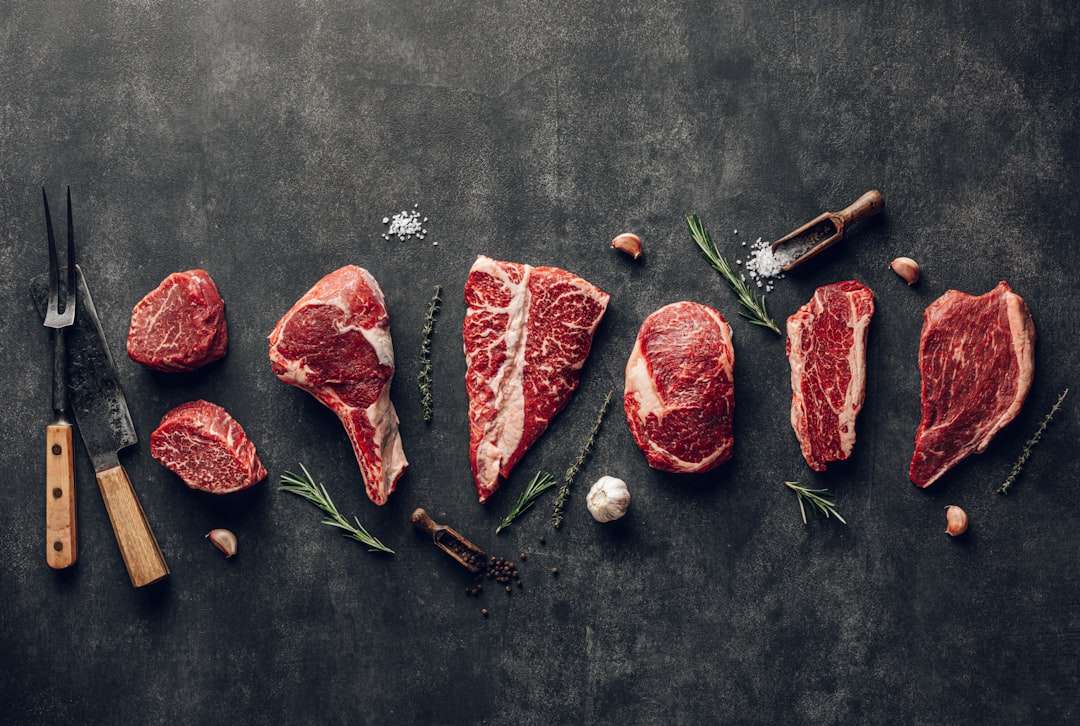
Conversely, naturally tender cuts like ribeye, New York strip, or pork chops thrive under dry, high-heat methods such as pan-searing, grilling, or broiling. These cuts have minimal connective tissue, meaning they cook rapidly and require minimal intervention. Matching the specific cut of meat to its ideal cooking environment immediately eliminates the fear of failure and guarantees a succulent outcome.
Ditching the Guesswork with Temperature Control
The single most effective tool to eliminate kitchen stress is a high-quality, instant-read digital thermometer. Relying on arbitrary cooking times, visual assessments, or the unreliable finger-poke test is a recipe for anxiety and inconsistent results. By inserting a thermometer probe into the thickest part of the meat, you gain real-time, objective data that tells you exactly when your food has reached its culinary peak.
Different types of meat require distinct target temperatures to ensure both safety and optimal texture. For instance, poultry must reach an internal temperature of 165 degrees Fahrenheit, while beef can be enjoyed anywhere from a warm rare at 125 degrees to a medium-well at 150 degrees. Knowing these specific targets and tracking them carefully ensures that you never serve an undercooked or dry, overcooked meal again.
The Crucial Role of Resting and Carryover Cooking
Perfecting your meat cookery requires mastering the concept of carryover cooking. Meat does not stop cooking the moment you remove it from the heat source; residual heat continues to transfer inward, raising the internal temperature by an additional five to ten degrees. To prevent overcooking, always remove your meat from the stove or grill slightly before it reaches your final target temperature.
Finally, resting the meat is an indispensable step that cannot be skipped. During cooking, the muscle fibers contract and push internal juices toward the center of the cut; cutting into the meat immediately will cause all those delicious juices to spill out onto your cutting board. Allowing the meat to rest for ten to fifteen minutes lets the muscle fibers relax and reabsorb the moisture, ensuring every single bite remains incredibly juicy and flavorful.
Related Content
🍽️ Recommended Recipes to Try:
- beef and broccoli meal prep
- german schnitzel potato salad
- hungarian goulash
- sweet spicy sriracha chicken
📖 Further Reading:
- How to Prepare Ingredients in Advance Like a Pro Chef
- How to Build a Weekly Cooking Routine That Saves Time
- Pedro Pascal’s Favorite Cheat Meal: The Unstoppable Rise of Air Fryer Beef Empanadas
Want to expand your skills? Explore more guides in our
Meal Prep category!