The Royal Heritage of Pizza Margherita
While flatbreads with toppings have existed for centuries, the modern Pizza Margherita has a specific origin story rooted in 1889. According to popular tradition, Neapolitan pizzaiolo Raffaele Esposito created a pizza to honor Queen Margherita of Savoy. The ingredients were specifically chosen to represent the colors of the Italian flag: red tomatoes, white mozzarella, and green basil. This simple yet symbolic combination transformed pizza from a humble street food into a globally recognized symbol of Italian national identity.
The Coal Miner’s Mystery: Pasta alla Carbonara
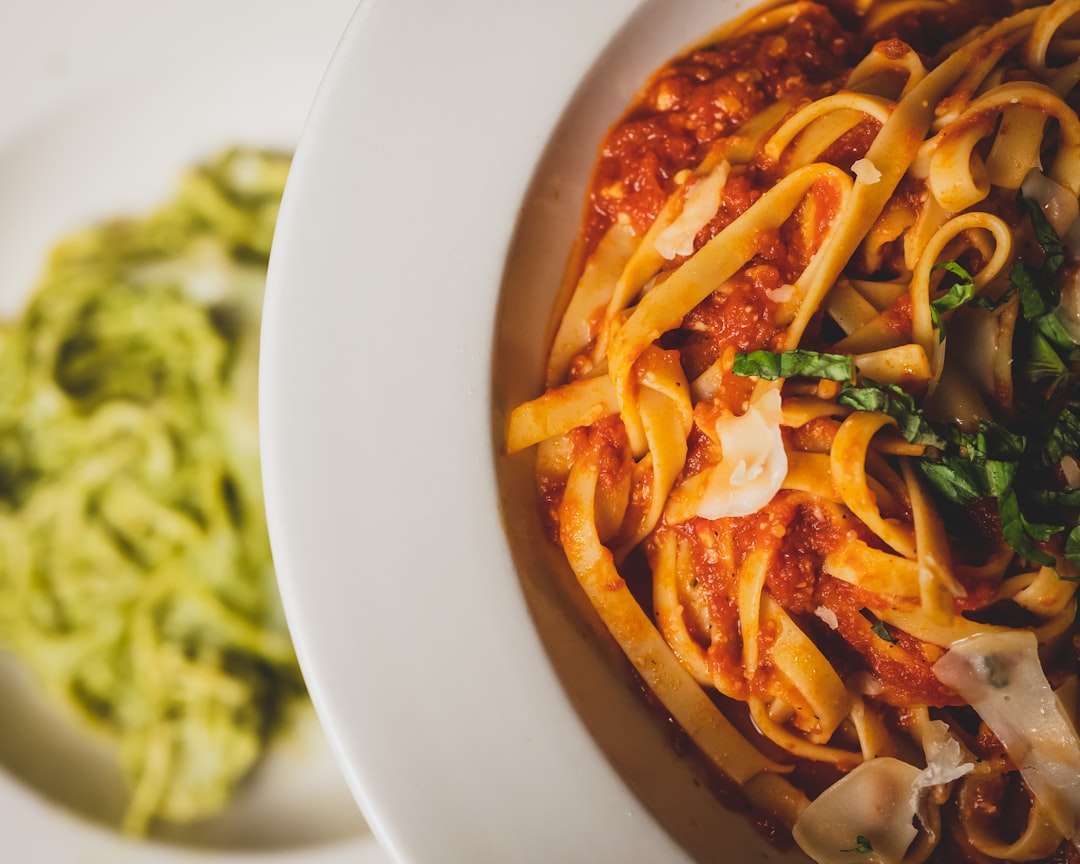
The origins of Carbonara are shrouded in debate, with several competing theories. The most common tale suggests the name comes from carbonaro, meaning charcoal burner, implying it was a hearty meal for men working in the forests. Another prominent theory suggests the dish emerged during World War II, when American soldiers in Italy combined their rations of eggs and bacon with local pasta. Regardless of its exact beginning, the combination of pecorino romano, guanciale, and eggs has become a cornerstone of Roman cuisine, representing the ingenuity of Italian cooking.
Tiramisu: A Modern Classic with Deep Roots
Unlike many centuries-old recipes, Tiramisu is a relatively modern addition to the Italian culinary canon, likely appearing in the late 1960s or early 1970s. Most historians trace its birth to the city of Treviso in the Veneto region. The name literally translates to pick me up, referring to the energizing effects of the espresso and sugar. While its history is shorter than that of pasta or bread, it draws on traditional Italian ingredients like mascarpone, ladyfingers, and coffee to create a dessert that captures the essence of Italian hospitality and indulgence.
Related Content
🍽️ Recommended Recipes to Try:
- easy teriyaki chicken meal prep
- mushroom risotto recipe
- authentic spaghetti cacio e pepe
- best air fryer salmon bites
🗂️ Explore Our Recipe Collections:
📖 Further Reading & Guides:
- The Science Behind Perfect Cooking
- Cooking Techniques Every Beginner Should Master
- How to Balance Flavors in Any Dish
Want to learn more tips? Browse our top articles in the
Cooking Tips category!