
Mastering the Art of Healthy Flavor Enhancement
Many home cooks believe that transitioning to a healthier lifestyle means sacrificing the rich, satisfying tastes of their favorite meals. This misconception often leads to restrictive dieting plans that are difficult to sustain. In reality, food science demonstrates that we perceive flavor through a complex interplay of five basic tastes: sweet, salty, sour, bitter, and umami. By understanding how these taste elements interact, you can easily reduce excess fat, sodium, and refined sugars while maintaining, or even elevating, the overall sensory experience of your culinary creations.
The secret to successful, health-conscious cooking lies in strategic ingredient substitution and flavor layering rather than outright elimination. Instead of simply stripping away butter or salt, professional chefs focus on introducing alternative ingredients that provide depth and complexity. Utilizing rich aromatic bases, selecting vibrant whole foods, and applying clever cooking techniques allow you to create dishes that are both nutritionally balanced and incredibly delicious. This approach ensures that wellness and premium culinary indulgence can coexist beautifully on the same plate.
The Power of Acid and Citrus in Place of Salt
When a finished dish tastes flat, the instinctive reaction for most cooks is to reach for the salt shaker. However, a lack of vibrance is often a sign that the dish needs acidity, not sodium. Integrating fresh citrus juices, such as lemon, lime, or orange, or high-quality vinegars can instantly brighten a dish, mimicking the flavor-boosting properties of salt without the associated cardiovascular risks. Acidity stimulates saliva production, which actively helps disperse food particles across your taste buds, intensifying the natural flavors already present in your ingredients.
Different acid sources bring unique profiles to your recipes. For instance, apple cider vinegar adds a subtle fruitiness, red wine vinegar brings robust complexity, and aged balsamic vinegar introduces a rich, sweet finish. Adding these acidic components at the very end of the cooking process preserves their volatile aromatic compounds, ensuring a bright finish. By mastering this simple technique, you can drastically cut down on sodium while enhancing the crisp, clean notes of your vegetables, grains, and proteins.
Unlocking Umami with Natural, Nutrient-Rich Ingredients
Umami, often referred to as the savory fifth taste, provides the deep, satisfying sensation that makes dishes feel comforting and complete. Instead of relying on heavy cream, excessive cheese, or processed flavor enhancers, you can harness natural, whole-food sources of umami. Ingredients such as sun-dried tomatoes, tomato paste, nutritional yeast, fermented miso paste, and low-sodium tamari add incredible depth to soups, stews, and sauces without packing on unwanted calories or saturated fats.
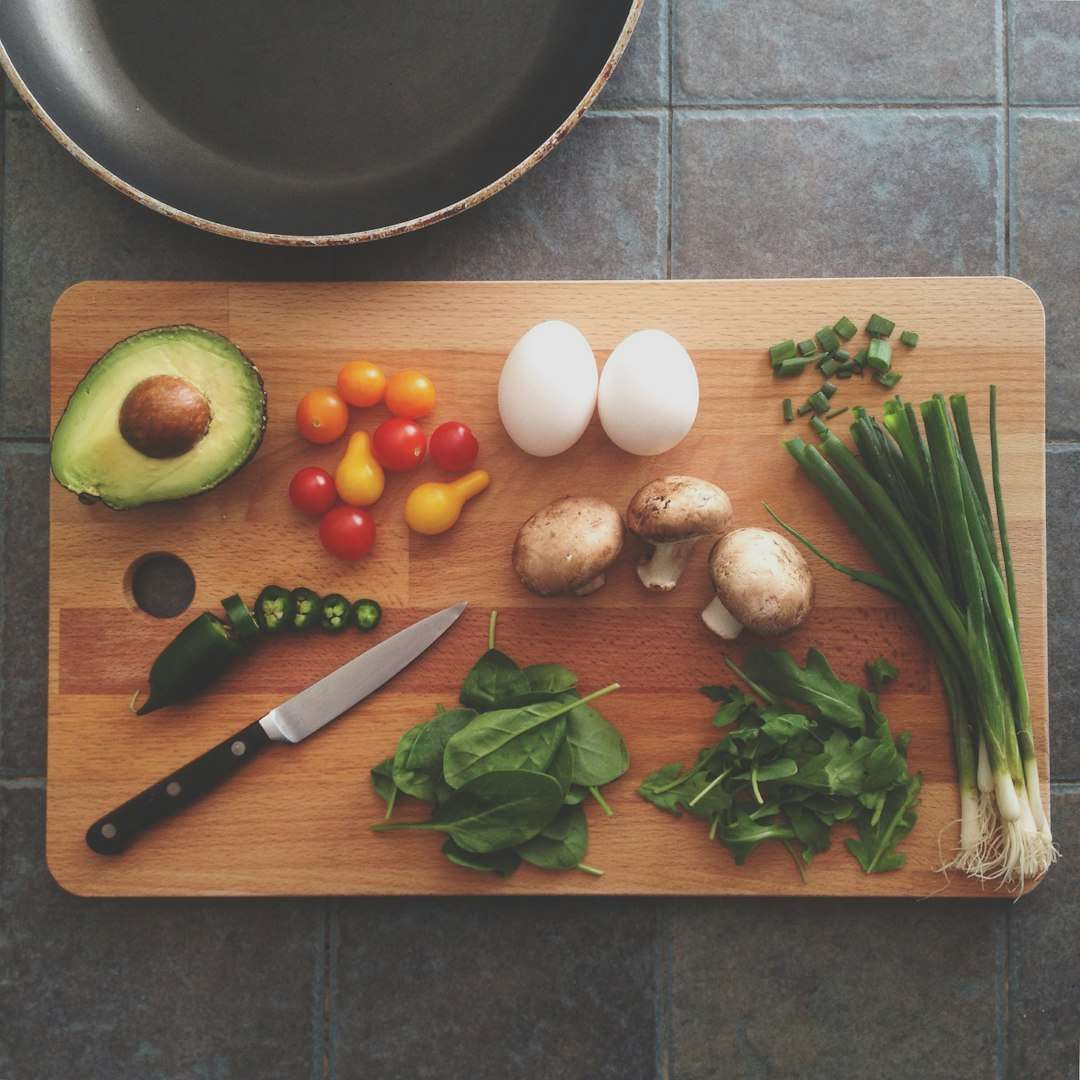
Mushrooms are another exceptional, low-calorie source of natural umami. Varieties like shiitake, cremini, and porcini are rich in glutamates, which deliver that coveted savory punch. An excellent culinary strategy is the blending technique, which involves finely chopping mushrooms and mixing them with lean ground meats. This simple substitution reduces the overall fat content of burgers, meatballs, or bolognese sauce while actually increasing the moisture, tenderness, and rich flavor of the final dish.
Strategic Herb and Spice Layering for Depth
Herbs and spices are the ultimate calorie-free tools for transforming ordinary ingredients into extraordinary meals. To maximize their culinary impact, it is essential to understand when and how to apply them. Hard herbs, such as rosemary, thyme, oregano, and bay leaves, should be added early in the cooking process. This allows their heat-stable essential oils to slowly release and permeate the cooking liquid or base, creating a foundational layer of flavor.
In contrast, soft herbs like basil, cilantro, parsley, and mint are highly delicate. These should be folded into the dish during the final minutes of cooking or used as a fresh garnish to preserve their vibrant colors and bright, aromatic notes. Additionally, taking the time to toast whole spices like cumin, coriander, or mustard seeds in a dry pan before grinding them releases volatile oils that offer a far more complex, multi-dimensional flavor profile than pre-ground store alternatives.
Healthier Fat Substitutions and Cooking Techniques
Fat is an excellent carrier of flavor, which is why completely removing it from recipes often results in dry, unappealing textures. The goal is not to eliminate fat entirely, but to choose heart-healthy unsaturated fats and use them more efficiently. Swapping saturated animal fats for cold-pressed extra virgin olive oil, avocado oil, or nut oils is a great starting point. Using a high-quality oil mister instead of pouring directly from the bottle allows you to coat your pans evenly with just a fraction of the calories.
Furthermore, your choice of cooking method plays a crucial role in flavor development. Roasting vegetables at high temperatures caramelizes their natural sugars, intensifying their sweetness and creating a crispy texture with minimal added oil. Steaming en papillote (wrapped in parchment paper) locks in the natural juices of fish or poultry, infusing them with herbs and citrus from within. By adopting these healthy cooking techniques, you preserve both nutritional value and luxurious mouthfeel.
Related Content
🍽️ Recommended Recipes to Try:
- chocolate avocado mousse
- easy cheesy stuffed zucchini boats
- best air fryer salmon bites
- air fryer stuffed peppers
📖 Further Reading:
- How to Use Herbs to Transform Any Dish
- The Complete Guide to Fresh vs Dried Spices
- Fresh Spring Recipes Using Seasonal Vegetables
Want to expand your skills? Explore more guides in our
Cooking Tips category!