The Importance of Professional Knife Techniques
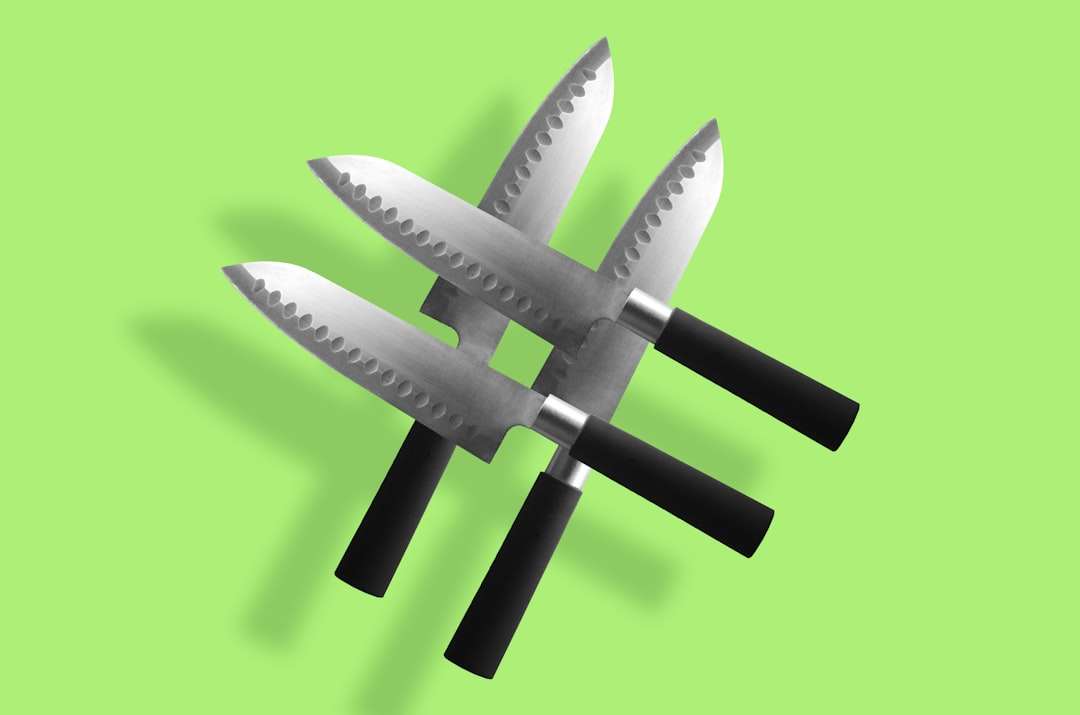
Efficient cooking begins with the ability to handle a chef’s knife with precision and confidence. Developing essential knife skills allows you to process ingredients rapidly, significantly reducing the time spent on meal preparation. More importantly, uniform cutting ensures that ingredients cook at the same rate, preventing some pieces from becoming overcooked while others remain raw. Mastering these skills transforms a tedious chore into a streamlined process.
Fundamental Grips and Safety Methods
Safety and speed go hand-in-hand when working with sharp blades. The foundation of good knife work is the ‘pinch grip,’ where the thumb and index finger grasp the heel of the blade while the other three fingers wrap around the handle. This provides maximum stability and control. Additionally, the ‘claw’ hand technique for holding food items ensures that fingertips are tucked away from the blade, allowing the knuckles to guide the knife safely along the ingredient.
- The Rocking Cut: Maintaining the tip’s contact with the board for efficient dicing and mincing.
- The Pull Cut: Using a smooth, single motion to slice through soft proteins and delicate herbs.
- The Batonnet: Creating consistent sticks that serve as the basis for uniform dicing and even roasting.
Tool Maintenance and Kitchen Efficiency
To maintain speed in the kitchen, your tools must be kept in peak condition. A dull knife is a primary cause of kitchen accidents and slow prep work because it requires excessive force to penetrate the surface of the food. Regular use of a honing steel keeps the blade’s edge centered, while routine sharpening ensures the knife remains sharp enough to glide through tough vegetables with minimal effort. Investing time in tool care is an investment in your overall cooking speed and safety.
Related Content
🍽️ Recommended Recipes to Try:
🗂️ Explore Our Recipe Collections:
📖 Further Reading & Guides:
- The Fascinating History of Pasta Around the World
- The Story Behind Traditional Italian Dishes
- How to Avoid Bland Meals Forever
Want to learn more tips? Browse our top articles in the
Cooking Tips category!