
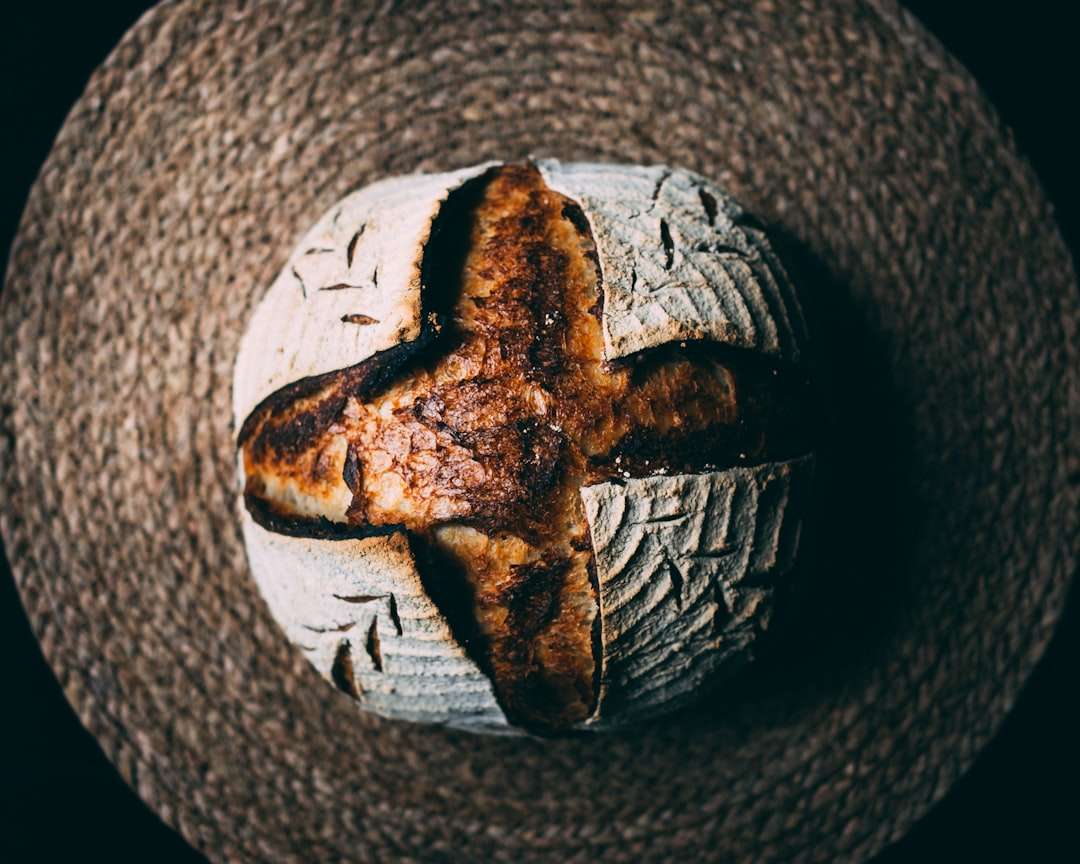
The Ancient Egyptian Origins of Sourdough
Sourdough represents the oldest form of leavened bread in human history. Long before the invention of commercial baker’s yeast, ancient civilizations relied on wild yeasts and naturally occurring lactic acid bacteria to rise their dough. Archaeological evidence suggests that the ancient Egyptians were the first to master sourdough fermentation around 3000 BC. This discovery was likely accidental, occurring when a mixture of flour and water was left exposed to the open air, attracting wild yeasts that caused the dough to ferment and rise before baking.
Sourdough and the San Francisco Gold Rush
While sourdough has roots in ancient history, it became an iconic staple of American culinary culture during the California Gold Rush of 1849. French bakers arrived in San Francisco and discovered that the local wild yeasts produced an exceptionally sour and flavorful bread. Miners, known as “sourdoughs,” kept starters warm by carrying them in pouches close to their bodies to prevent the cultures from dying in the freezing mountain temperatures. This period solidified sourdough’s place in culinary history and led to the identification of the unique local bacteria strain, Lactobacillus sanfranciscensis.
The Industrial Shift and Modern Resurgence
With the advent of commercial yeast in the late 19th and early 20th centuries, traditional sourdough baking declined. Industrial bread production favored speed and predictability over flavor and slow fermentation. However, the late 20th and early 21st centuries have witnessed a massive global revival of sourdough. Modern consumers and artisanal bakers have embraced the traditional method once again, recognizing the superior flavor, texture, and nutritional benefits of slow-fermented wild yeast bread.
Related Content
🍽️ Recommended Recipes to Try:
🗂️ Explore Our Recipe Collections:
📖 Further Reading & Guides:
- The Fascinating History of Pasta Around the World
- The Story Behind Traditional Italian Dishes
- How to Balance Flavors in Any Dish
Want to learn more tips? Browse our top articles in the
Cooking Tips category!