by admin | May 23, 2026 | Food History
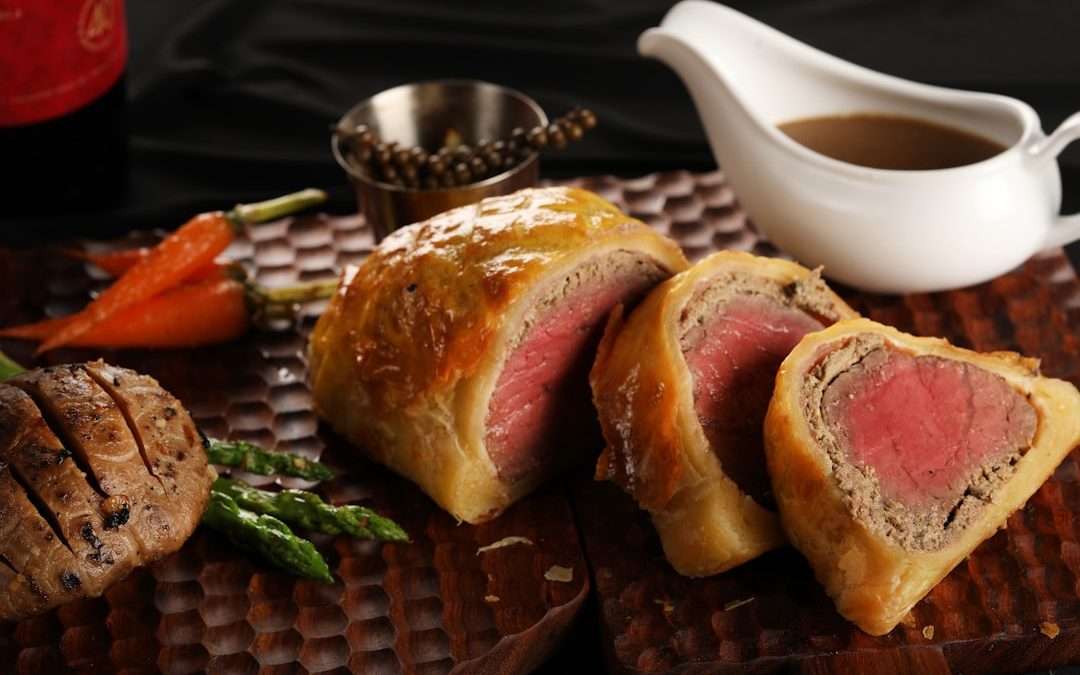
The Mysterious Origins of Beef WellingtonFew dishes in the culinary canon carry the prestige and dramatic visual appeal of Beef Wellington. Traditionally consisting of a tender beef tenderloin wrapped in rich mushroom duxelles, parma ham, and golden puff pastry, this...
by admin | May 23, 2026 | Food History
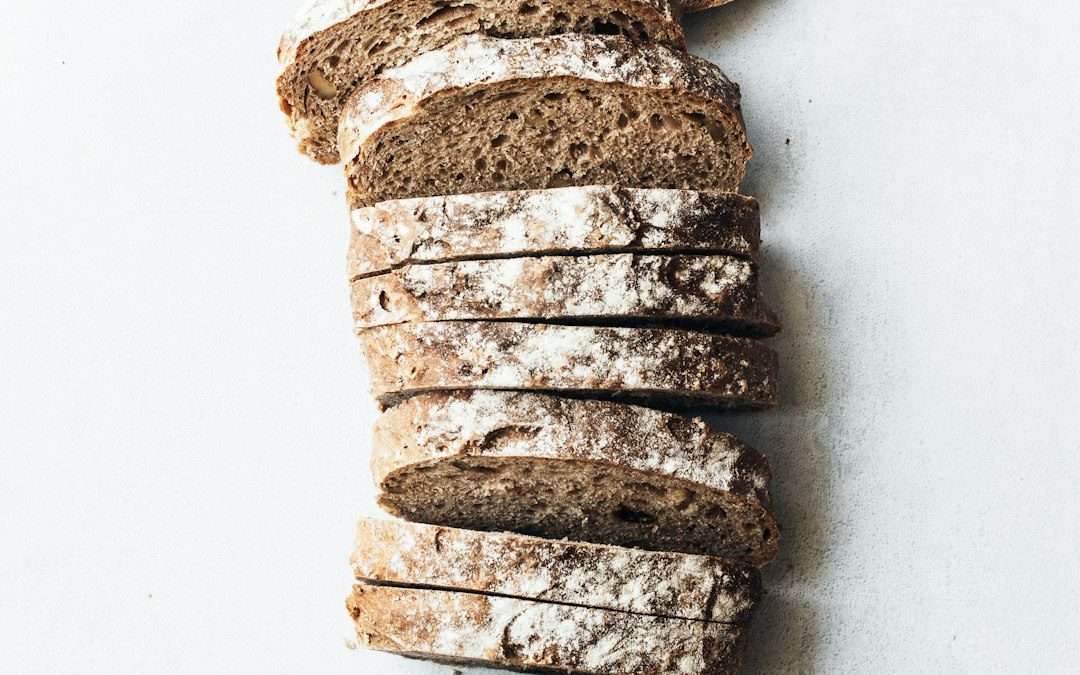
The Ancient Origins of Wild Yeast FermentationSourdough is not merely a modern baking trend; it is the oldest form of leavened bread in human history. Long before commercial yeast was isolated in the nineteenth century, ancient civilizations relied on the symbiotic...
by admin | May 23, 2026 | Kitchen Guides
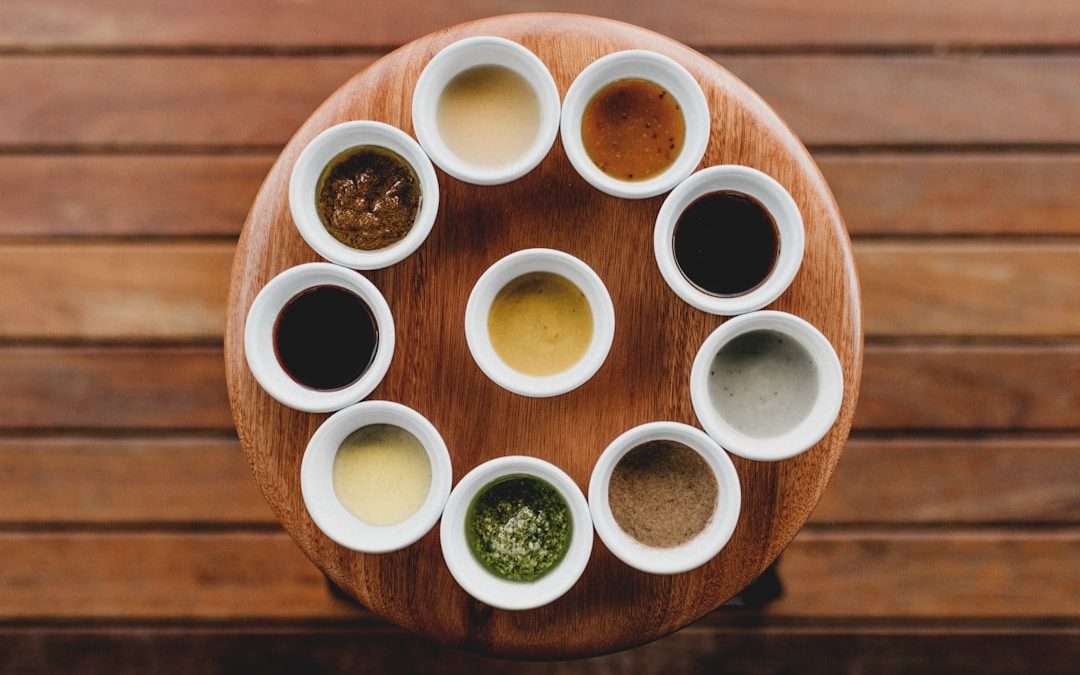
The Foundation of Classical Culinary ArtistryIn the realm of professional gastronomy, few concepts carry as much weight as the five French mother sauces. Codified first by Marie-Antoine Carême and later refined by Auguste Escoffier, these foundational liquids serve as...
by admin | May 22, 2026 | Kitchen Guides
Optimize Your Kitchen Layout and WorkspacesAn efficient kitchen starts with a logical setup. Grouping similar items together and creating designated zones for prepping, cooking, and cleaning can drastically cut down on unnecessary movement. Keep your most-used tools,...
by admin | May 22, 2026 | Cooking Tips
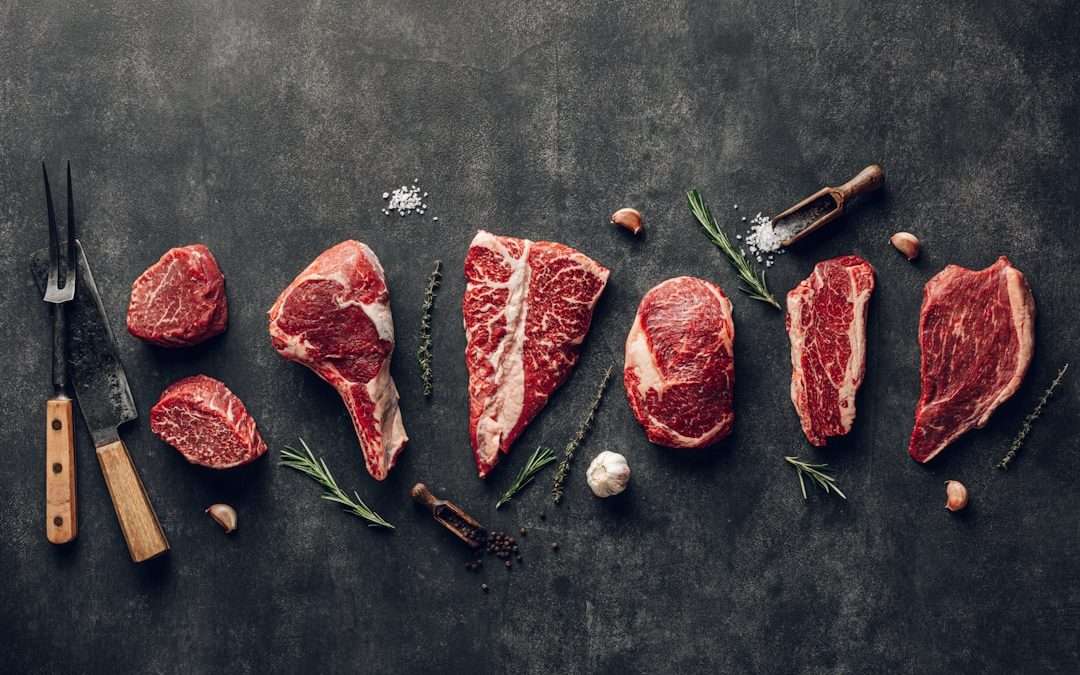
Understanding the Importance of Meat Prep and Temperature Cooking meat to perfection starts long before it hits the heat. Bringing your meat to room temperature before cooking ensures even heat distribution and prevents the exterior from burning while the interior...