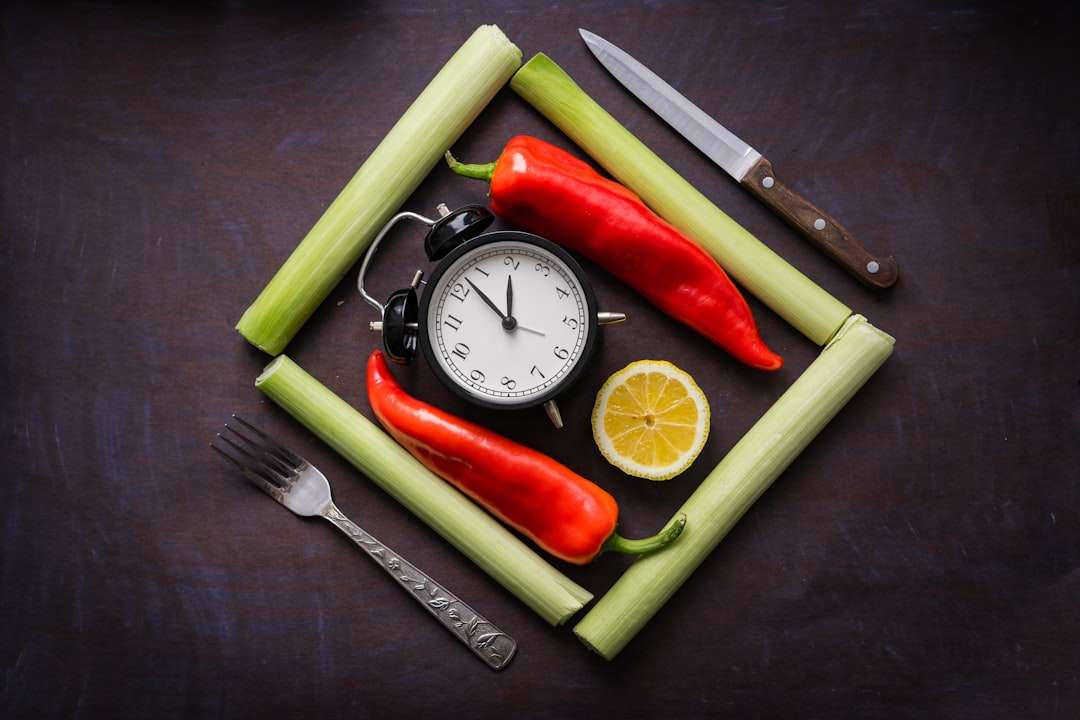
Understanding the Science of Heat and Duration
In the culinary arts, timing is far more than a mere suggestion on a recipe card; it is a critical variable that dictates the texture, flavor, and safety of a dish. The relationship between temperature and time determines how proteins denature, how sugars caramelize, and how moisture is retained or evaporated. Mastering this balance ensures that ingredients reach their peak potential without becoming overcooked or underdone. Timing is the invisible ingredient that transforms raw components into a cohesive meal.
Consistency Across Various Cooking Techniques
Different cooking methods require precise timing to achieve optimal results. For instance, high-heat applications like searing or stir-frying depend on split-second decisions to prevent burning and preserve the integrity of the food. Conversely, low-and-slow techniques such as braising or roasting rely on extended periods to break down tough connective tissues and develop deep, complex flavors. Understanding the specific temporal requirements of each method allows a cook to manipulate the final outcome of the dish effectively, ensuring that every component is cooked to perfection.
Strategies for Managing Time in the Kitchen
Efficient timing starts long before the heat is applied. Implementing the following practices can significantly improve culinary outcomes and reduce stress during the cooking process:
- Mise en Place: Preparing all ingredients, including washing, chopping, and measuring, prevents delays that can lead to overcooking while you are distracted by preparation tasks.
- Sequential Cooking: Adding ingredients to the pan based on their required cooking times ensures that everything finishes simultaneously, preventing some items from becoming mushy while others remain raw.
- Resting Periods: Allowing meat to rest after cooking is a crucial timed step that allows juices to redistribute, resulting in a more flavorful and moist final product.
By treating time as a primary tool, cooks can transition from simply following instructions to intuitively understanding the progression of the cooking process.