Mastering Heat and Timing
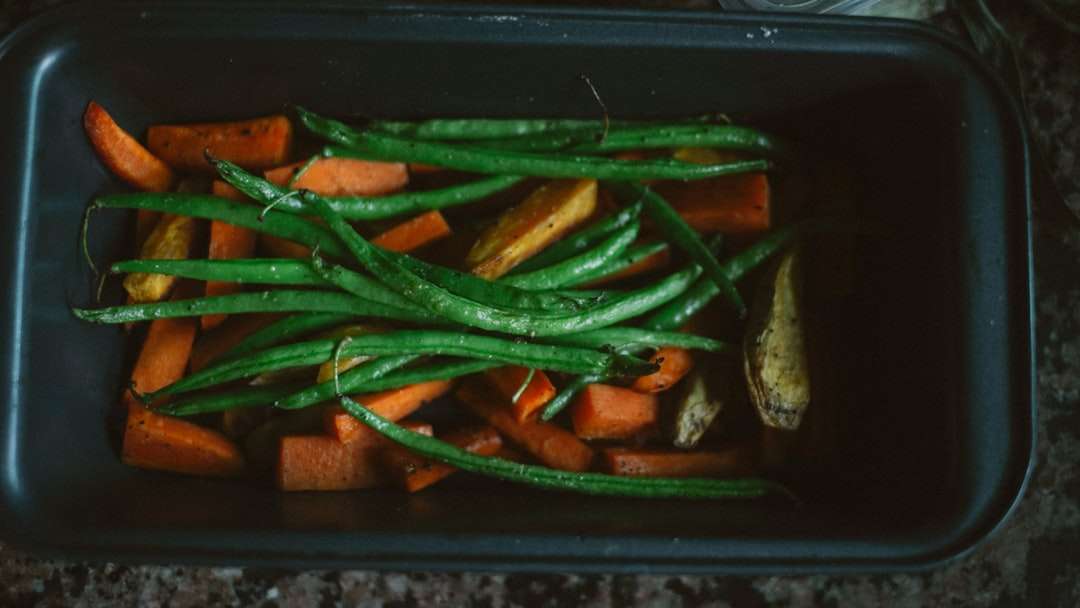
Achieving the perfect texture in vegetables requires a deep understanding of heat application. Different vegetables possess unique cellular structures that react differently to thermal energy. High heat is essential for roasting root vegetables like carrots and parsnips to trigger the Maillard reaction, which creates a sweet, caramelized exterior. Meanwhile, delicate vegetables like spinach or peas require brief exposure to heat to prevent cell wall collapse and loss of vibrant chlorophyll.
The Importance of Uniform Cutting
Consistency in preparation is the foundation of even cooking. When vegetable pieces vary significantly in size, the smaller pieces become overcooked and mushy before the larger pieces reach the desired tenderness. To ensure professional results, prioritize the following techniques:
- Use a sharp chef knife to maintain clean edges.
- Aim for uniform cubes or batons to ensure heat penetrates at the same rate.
- Group vegetables with similar density together when cooking in the same pan.
Blanching and Shocking for Texture
One of the most effective professional secrets for perfectly cooked vegetables is the blanching and shocking method. This process involves briefly boiling vegetables in salted water and then immediately transferring them to a bowl of ice water. This technique halts the cooking process instantly, locking in a bright, vivid color and a crisp-tender bite. This is particularly effective for green beans, asparagus, and broccoli, making them ready for a quick final sauté or inclusion in salads.
Related Content
🍽️ Recommended Recipes to Try:
🗂️ Explore Our Recipe Collections:
📖 Further Reading & Guides:
- The Fascinating History of Pasta Around the World
- The Story Behind Traditional Italian Dishes
- How to Balance Flavors in Any Dish
Want to learn more tips? Browse our top articles in the
Cooking Tips category!