Introduction to Culinary Improvement
Cooking is a skill that requires both patience and precision. Even experienced home cooks often encounter hurdles that can affect the final outcome of a dish. Understanding the underlying reasons for common kitchen errors is the first step toward achieving professional-level results at home. By making small adjustments to your technique, you can significantly enhance the flavor and texture of every meal you prepare.
1. Overcrowding the Pan
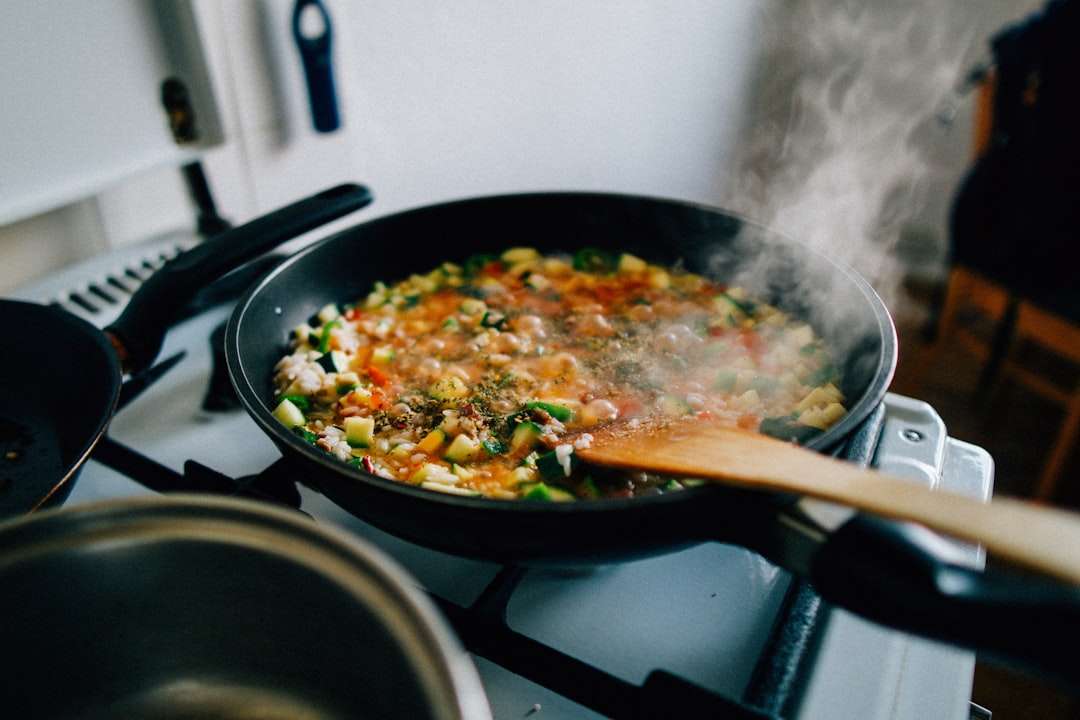
When you place too many ingredients into a pan at once, the surface temperature drops significantly. This prevents the Maillard reaction, leading to food that steams rather than sears. This is particularly problematic when browning meat or sautéing vegetables, as it results in a lack of texture and flavor depth.
- How to avoid: Cook in smaller batches or utilize multiple pans to ensure each piece of food has sufficient space to release moisture without lowering the pan temperature.
2. Not Preheating the Cooking Surface
Adding ingredients to a cold pan or a cold oven is a common oversight. Proper heat is necessary to create a non-stick environment and to ensure that food begins cooking immediately. Without preheating, proteins are more likely to stick to the surface, and food often absorbs excess oil or cooks unevenly.
- How to avoid: Allow at least three to five minutes for pans to heat on the stovetop and always wait for the oven to reach its target temperature before starting the cooking process.
3. Slicing Meat Too Early
The heat from cooking draws juices toward the center of the meat. If you cut into the meat immediately after removing it from the heat source, those juices escape onto the cutting board, leaving the meat dry and tough. Resting is an essential part of the cooking process that is often ignored.
- How to avoid: Let your meat rest for at least five minutes for smaller cuts like chicken breasts or steaks, and up to twenty minutes for larger roasts. This allows the muscle fibers to relax and reabsorb the internal liquids.
4. Over-Seasoning or Under-Seasoning
Seasoning only at the end of the cooking process often leads to a dish that tastes salty on the surface but bland inside. Conversely, failing to taste as you go can result in an unbalanced flavor profile that is difficult to correct once the meal is plated.
- How to avoid: Season in layers throughout the cooking process. Taste your food regularly at different stages to adjust salt and acidity levels before the dish is served.
5. Using the Wrong Knife for the Task
Using a dull knife or the incorrect type of blade can make preparation dangerous and inefficient. A dull blade requires more pressure, increasing the risk of slips, while using a paring knife for large, tough vegetables can lead to uneven cuts and hand fatigue.
- How to avoid: Invest in a high-quality chef knife and keep it professionally sharpened. Ensure you are using the appropriate tool for the specific ingredient you are preparing to maintain consistency in your cuts.
Related Content
🍽️ Recommended Recipes to Try:
🗂️ Explore Our Recipe Collections:
📖 Further Reading & Guides:
- The Fascinating History of Pasta Around the World
- The Story Behind Traditional Italian Dishes
- How to Balance Flavors in Any Dish
Want to learn more tips? Browse our top articles in the
Cooking Tips category!